



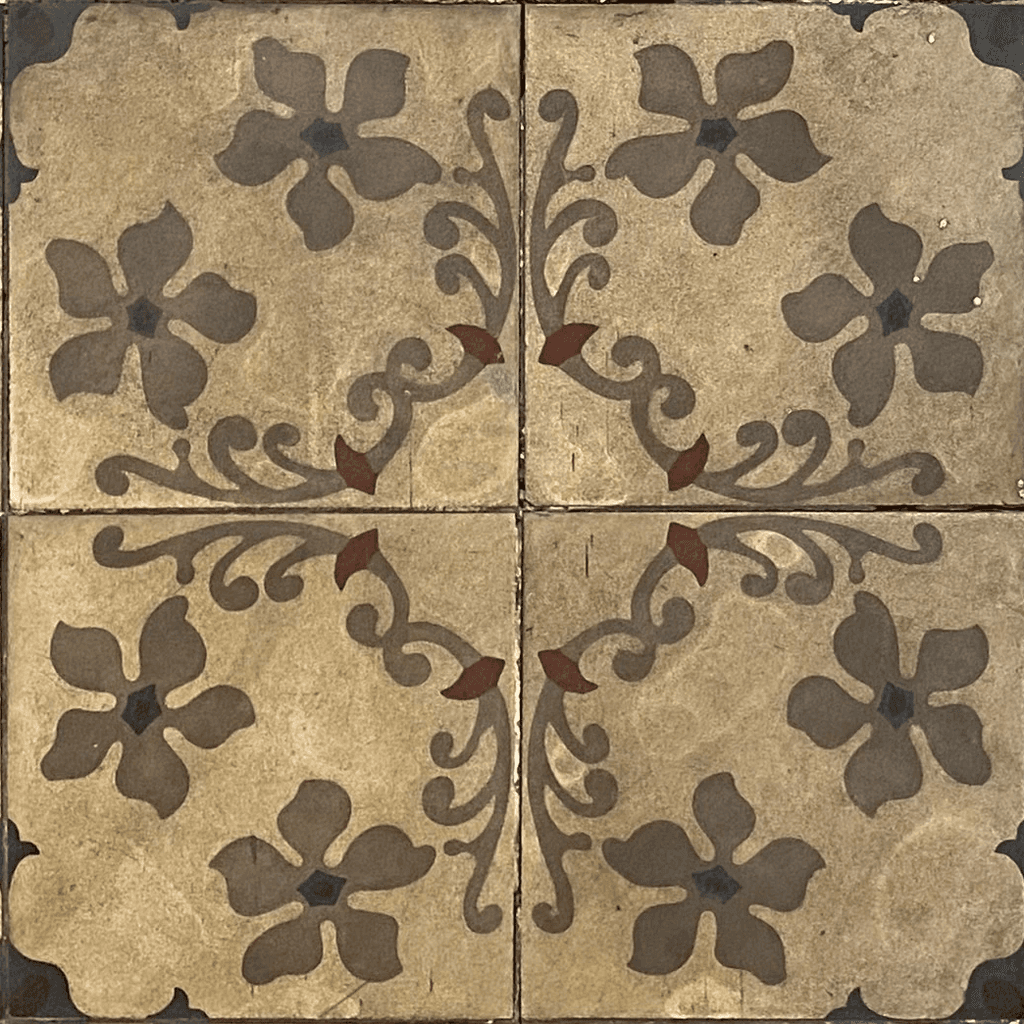
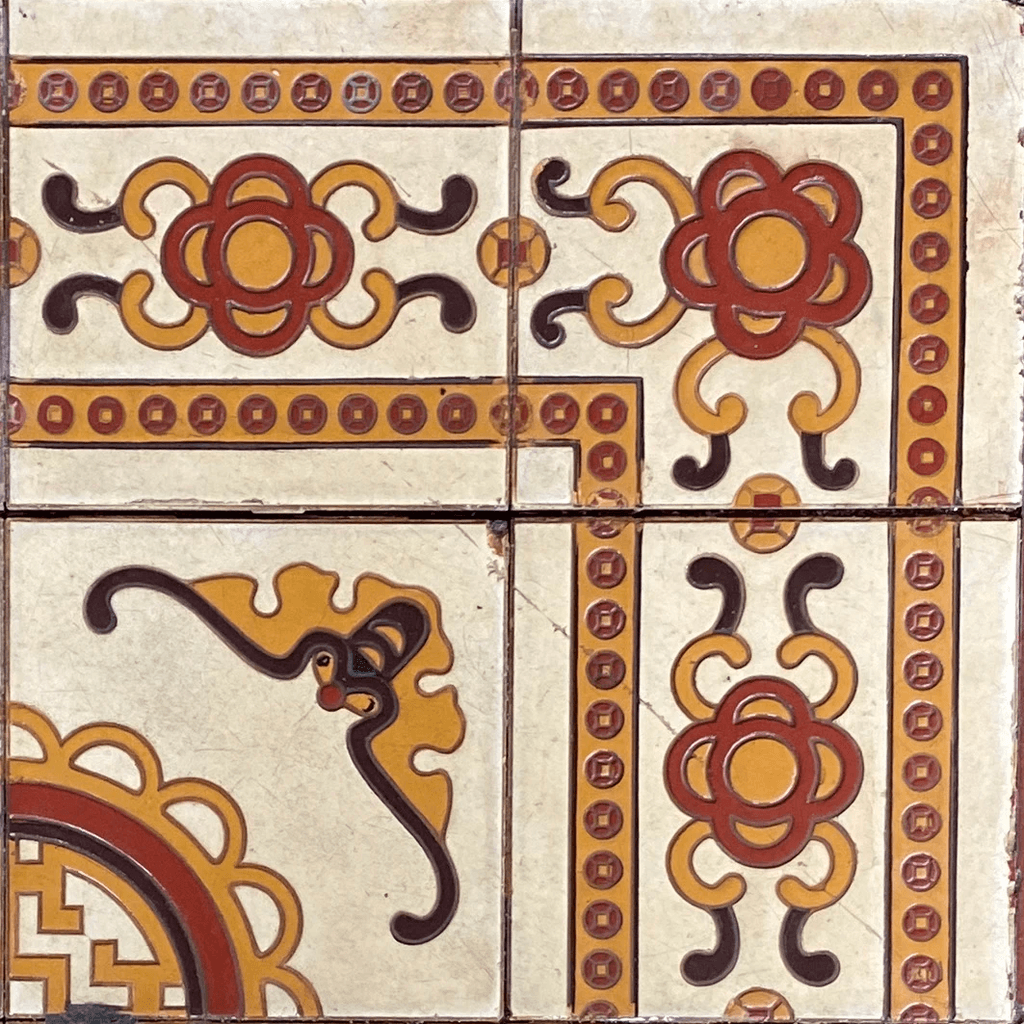
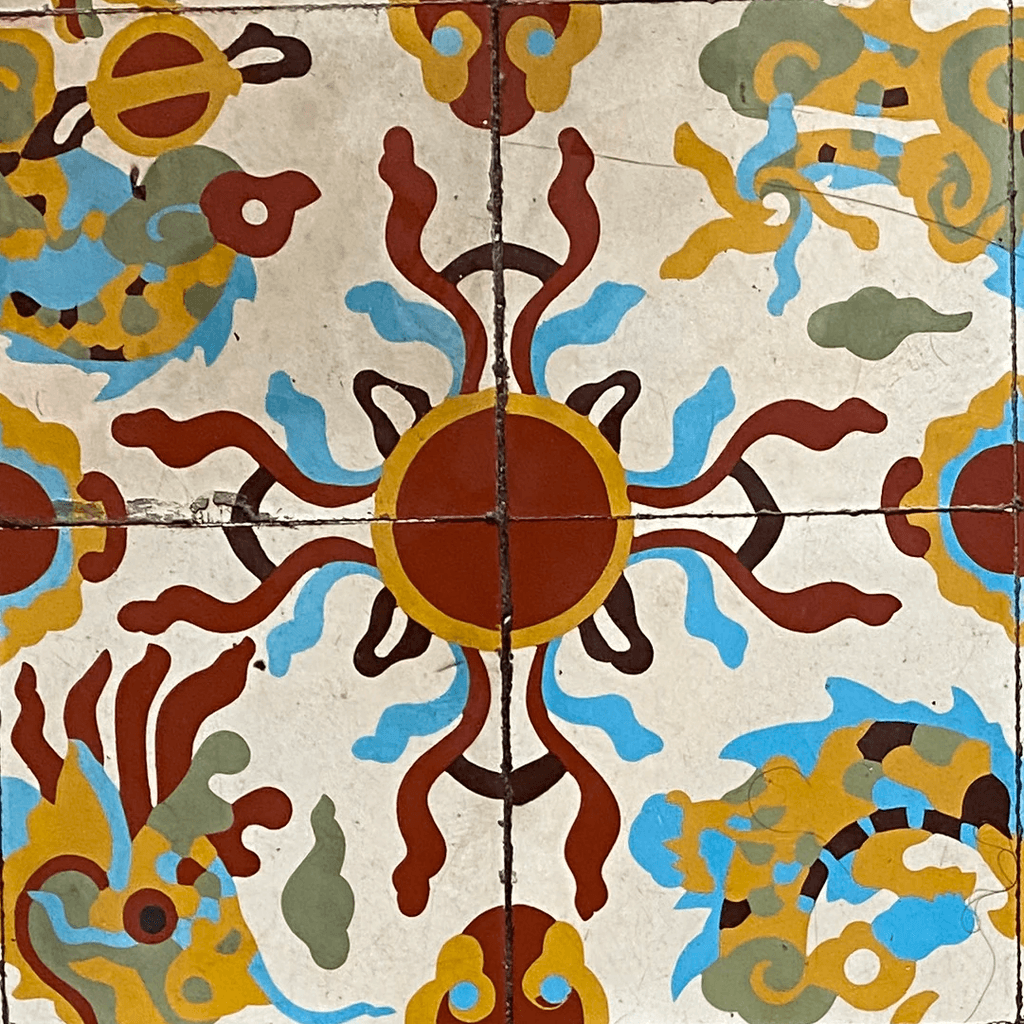
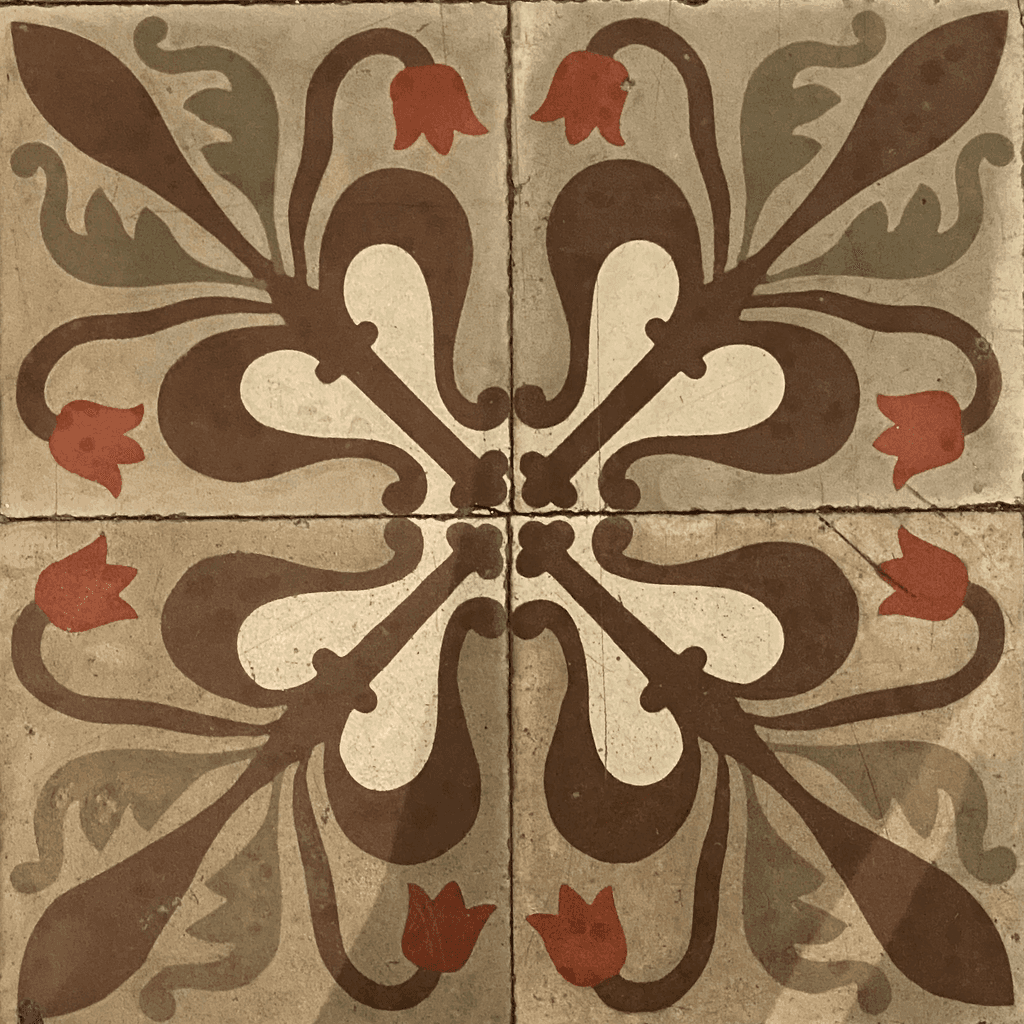
maybe you've missed out
thousands of years’ decorative artefacts
right beneath our feet
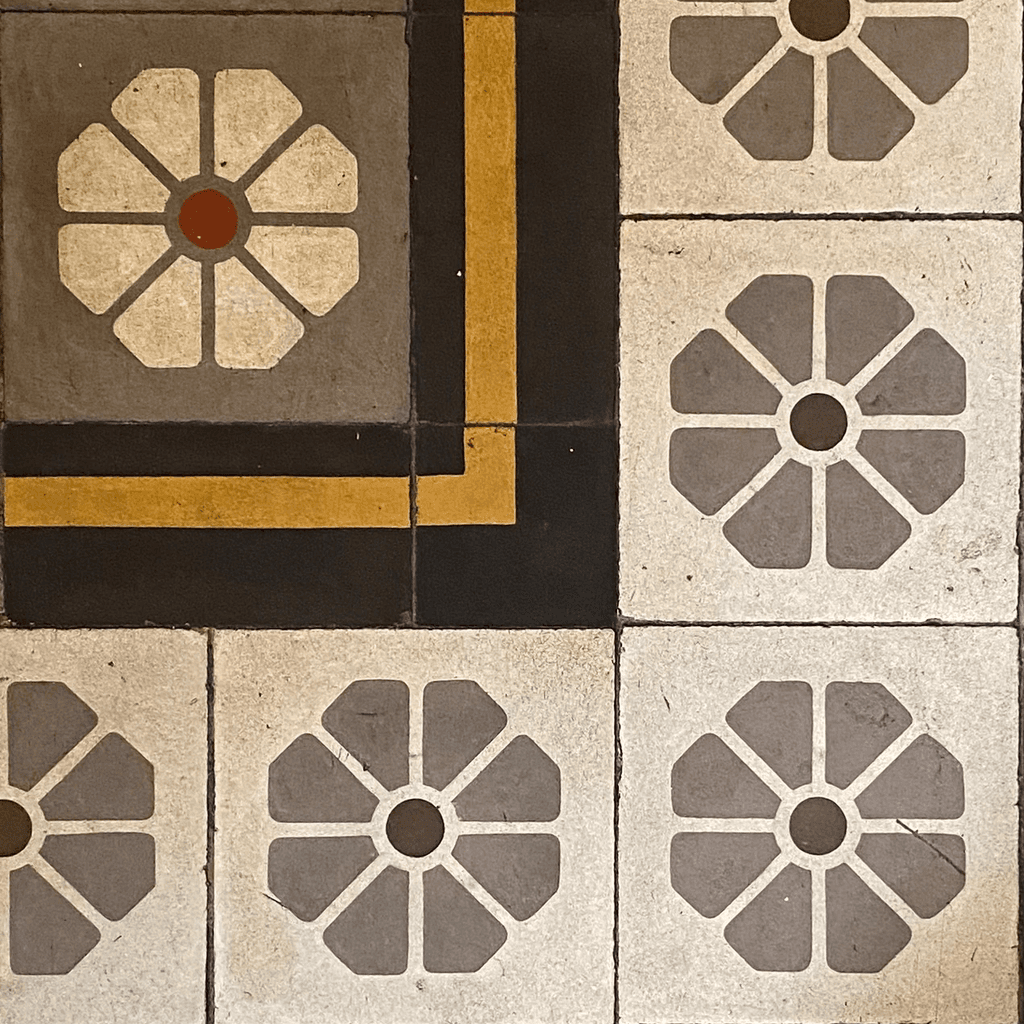
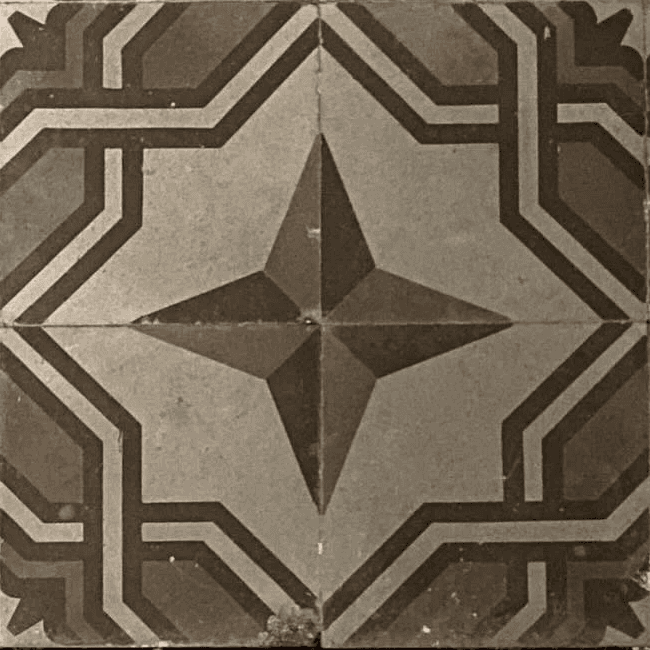
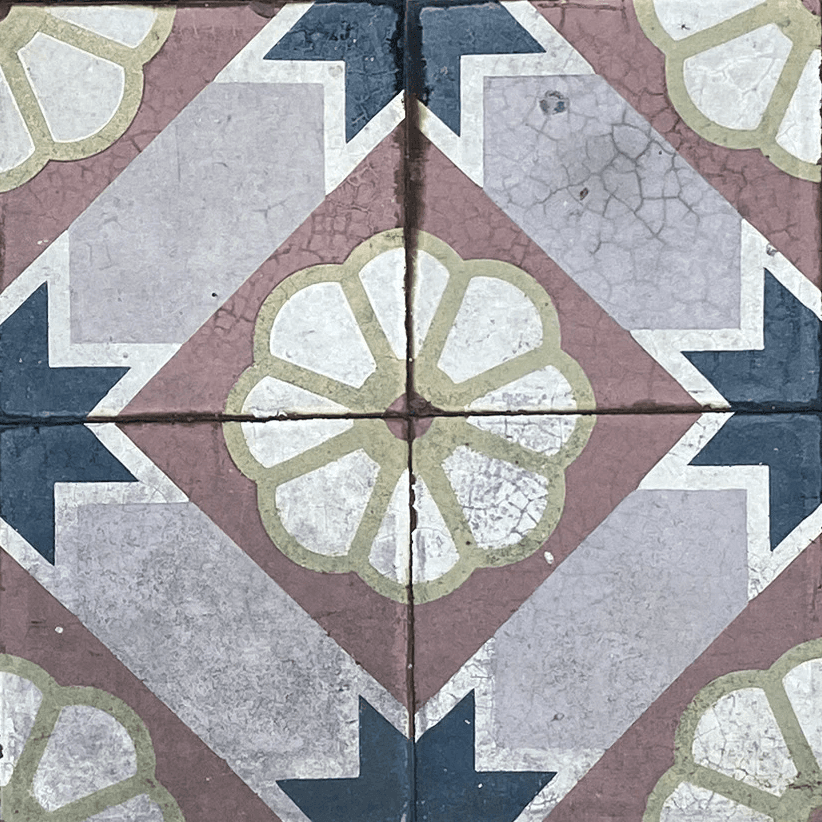
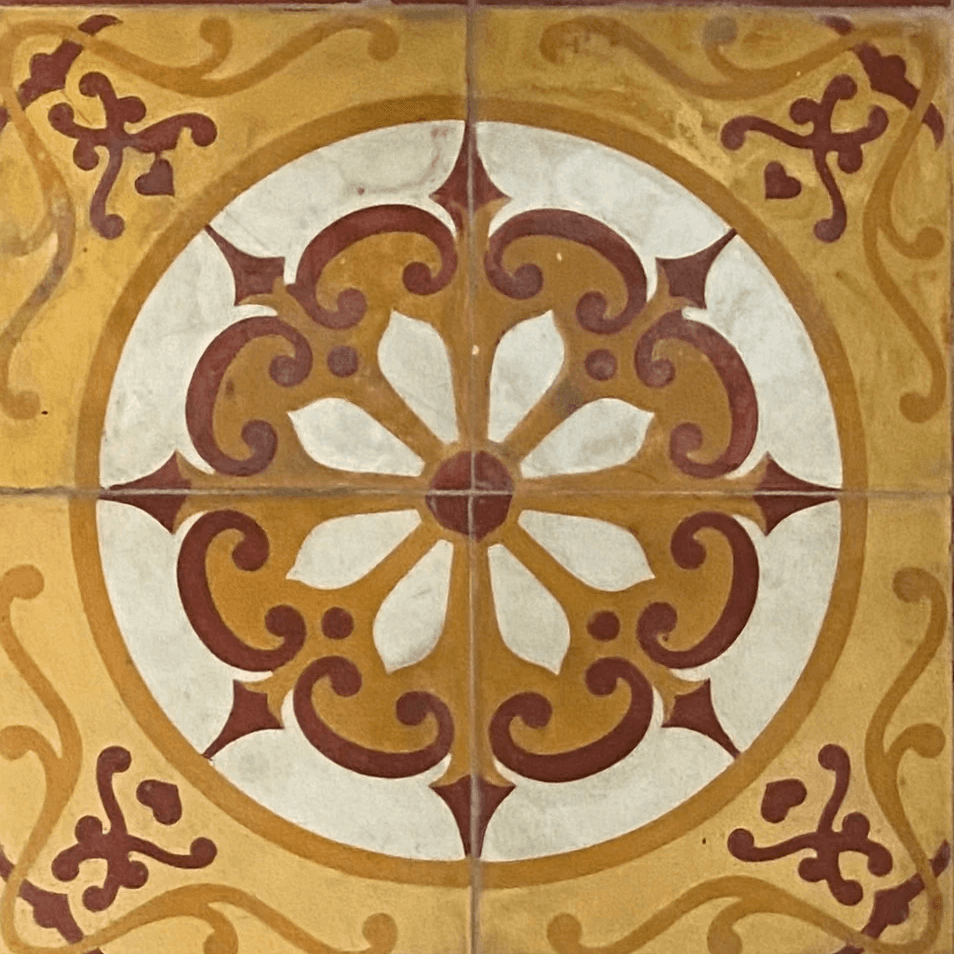
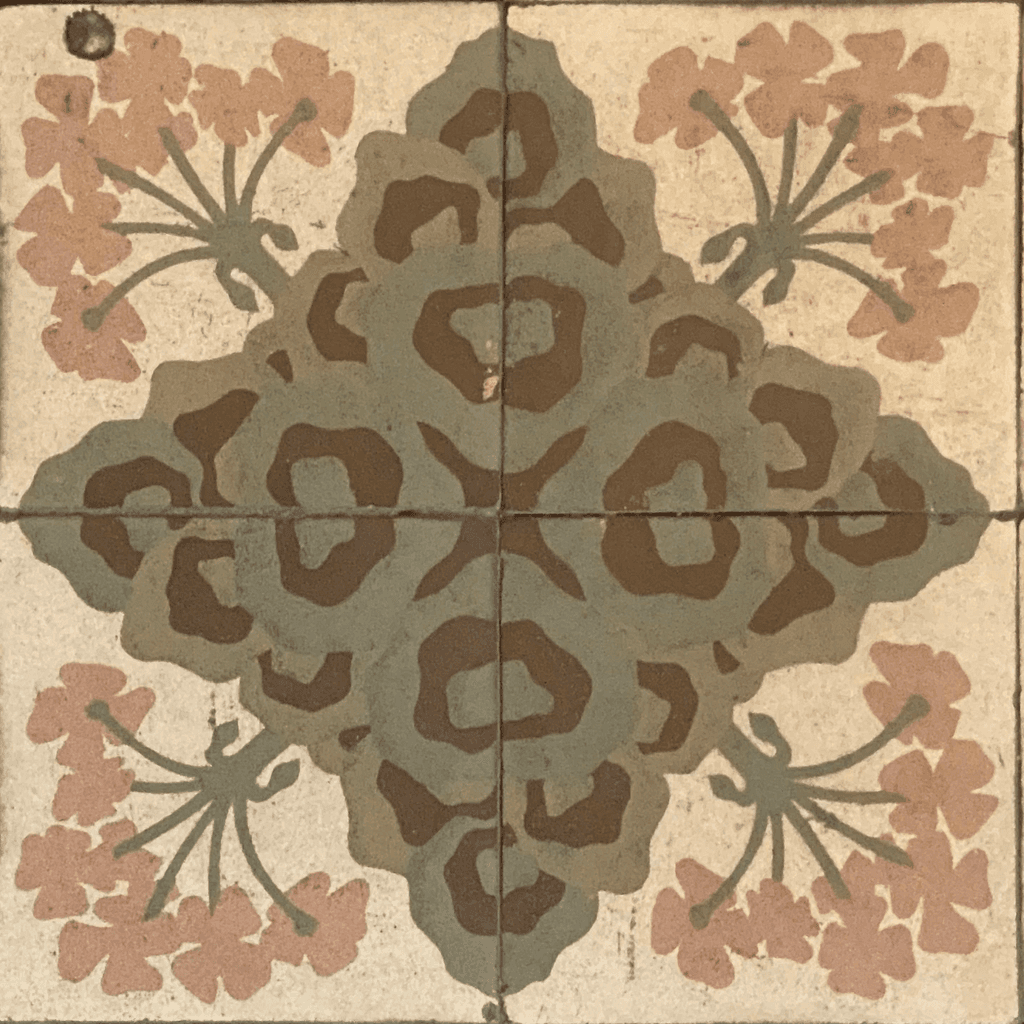
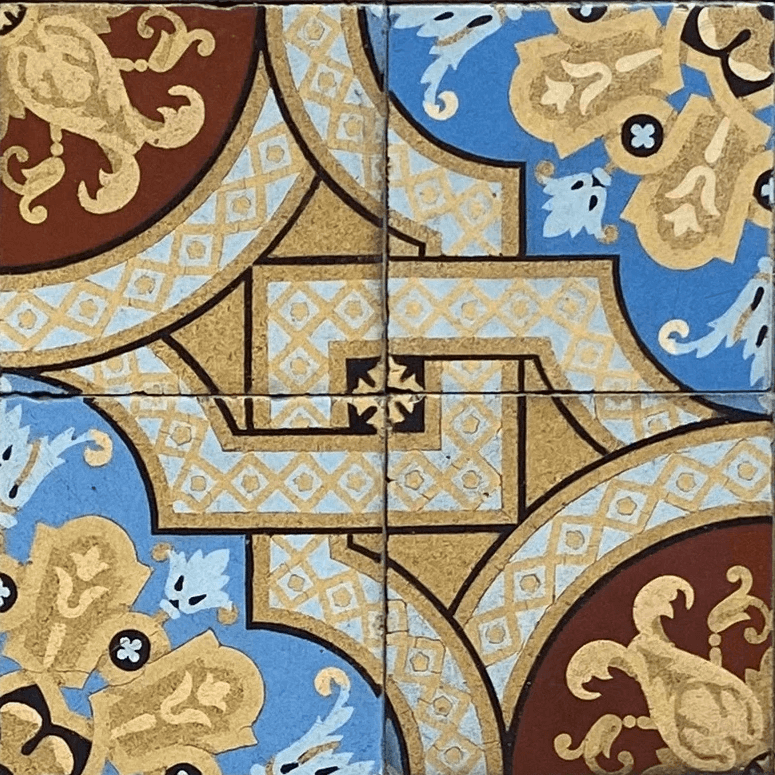
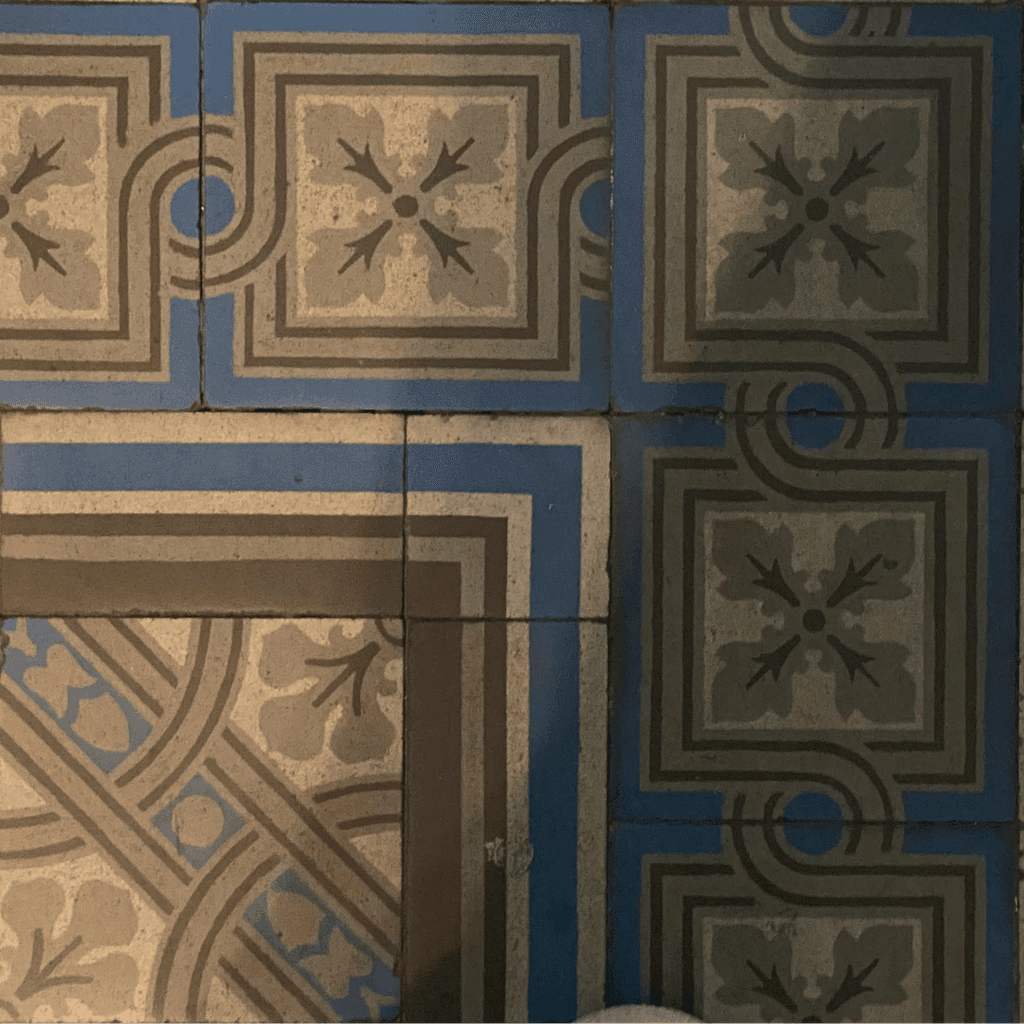
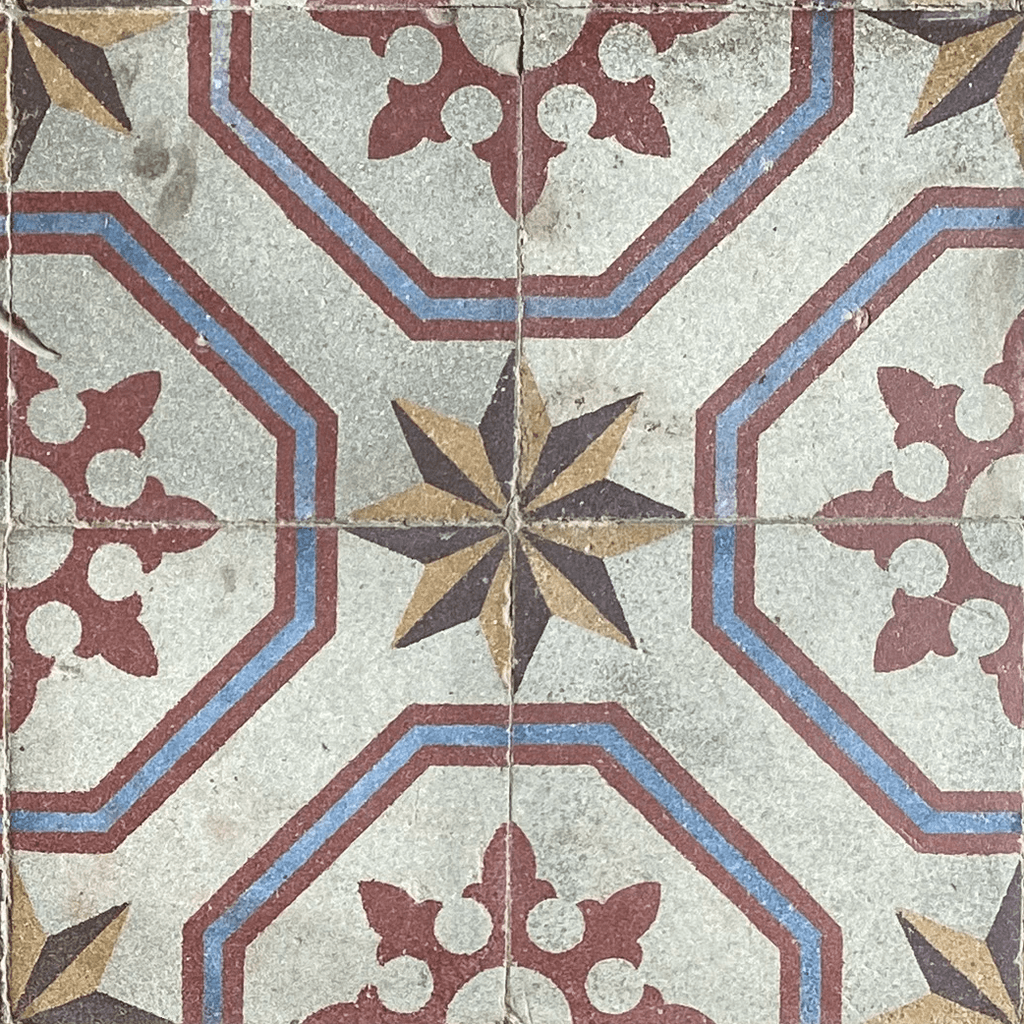
This project (once was) the undergrad project of me and my collaborator, Phúc Thịnh, built on inspiration from the origins and the cultural and artistic values of the patterns of Gạch Bông, along with the desire to apply digital media art practice in expressing and conveying cultural heritage.
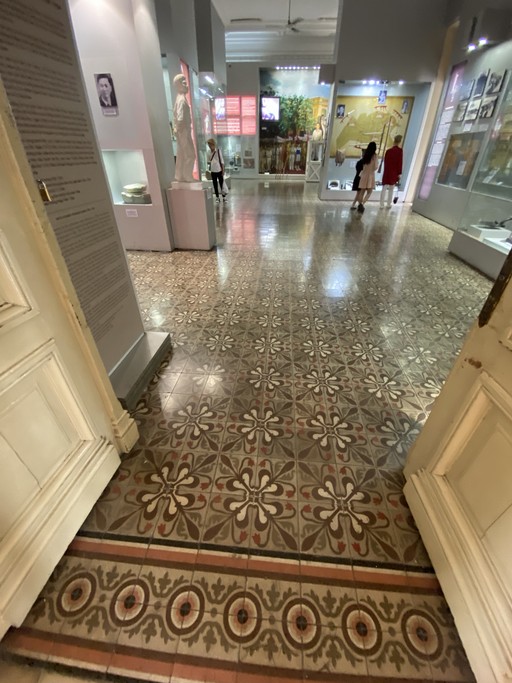
In addition to researching Gạch Bông, the project also aims to propose a method for presenting pattern-based artefacts in museums and public exhibitions in Vietnam.
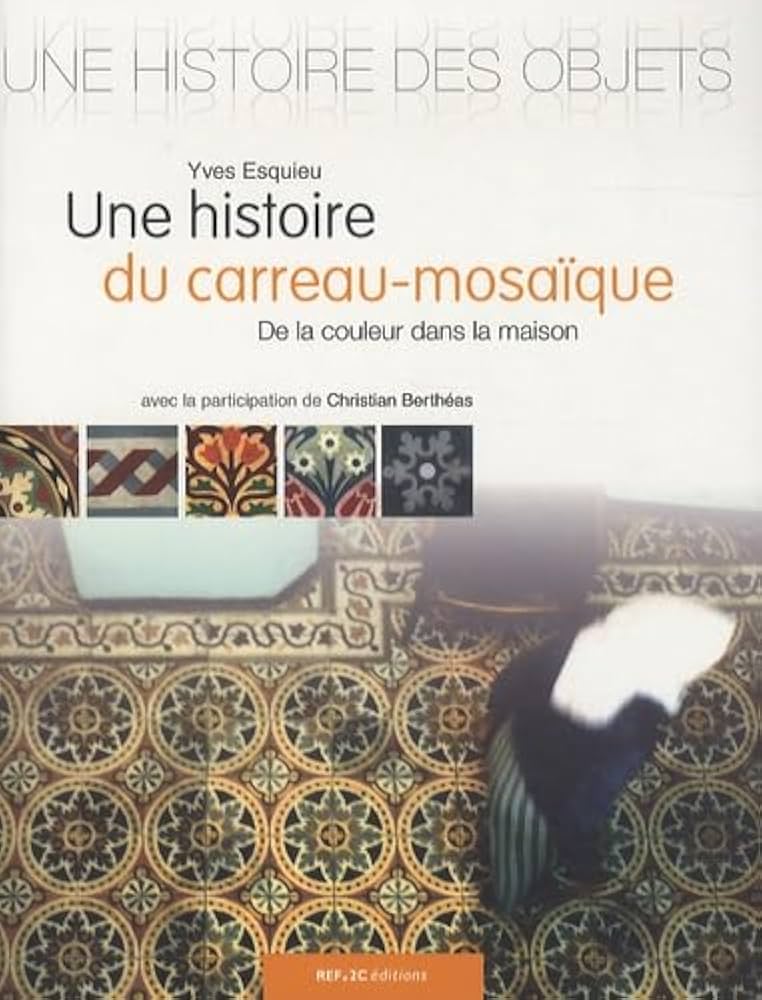
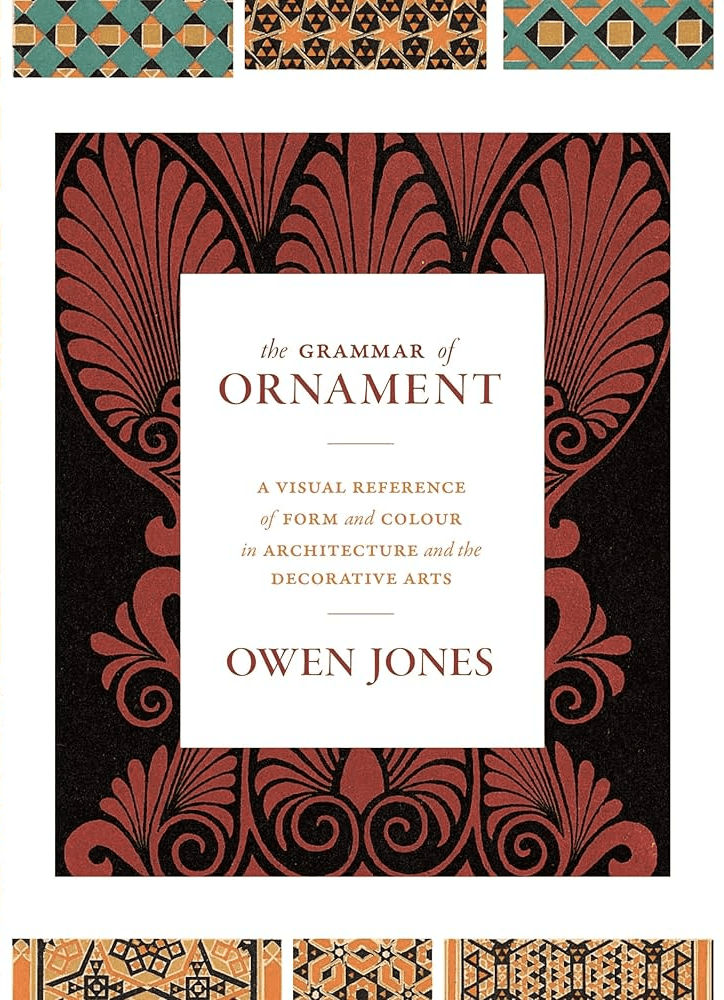
Primary materials were sourced from academic journals and reference publications from France and Spain, including studies by Yves Esquieu, Mario Baëck, Caroline Herbelin, Owen Jones, and others..
Relevant materials
[1] Soufan, A. (2015). An overview of cement tile manufacturing and importation in Syria and Lebanon: Damascus-Beirut, 1880s-1940s.
[2] Bravo-Nieto, A. (2015). La baldosa hidráulica en España. Algunos aspectos de su expansión industrial y evolución estética (1867-1960).
[3] Hernández Duque, F. (2009). The ancient hydraulic mosaic factories in Navarra.
[4] Colomban, P., Kirmizi, B., Gougeon, C., Gironda, M., & Cardinal, C. (2020). Pigments and glassy matrix of the 17th-18th century enamelled French watches: A non-invasive on-site Raman and pXRF study.
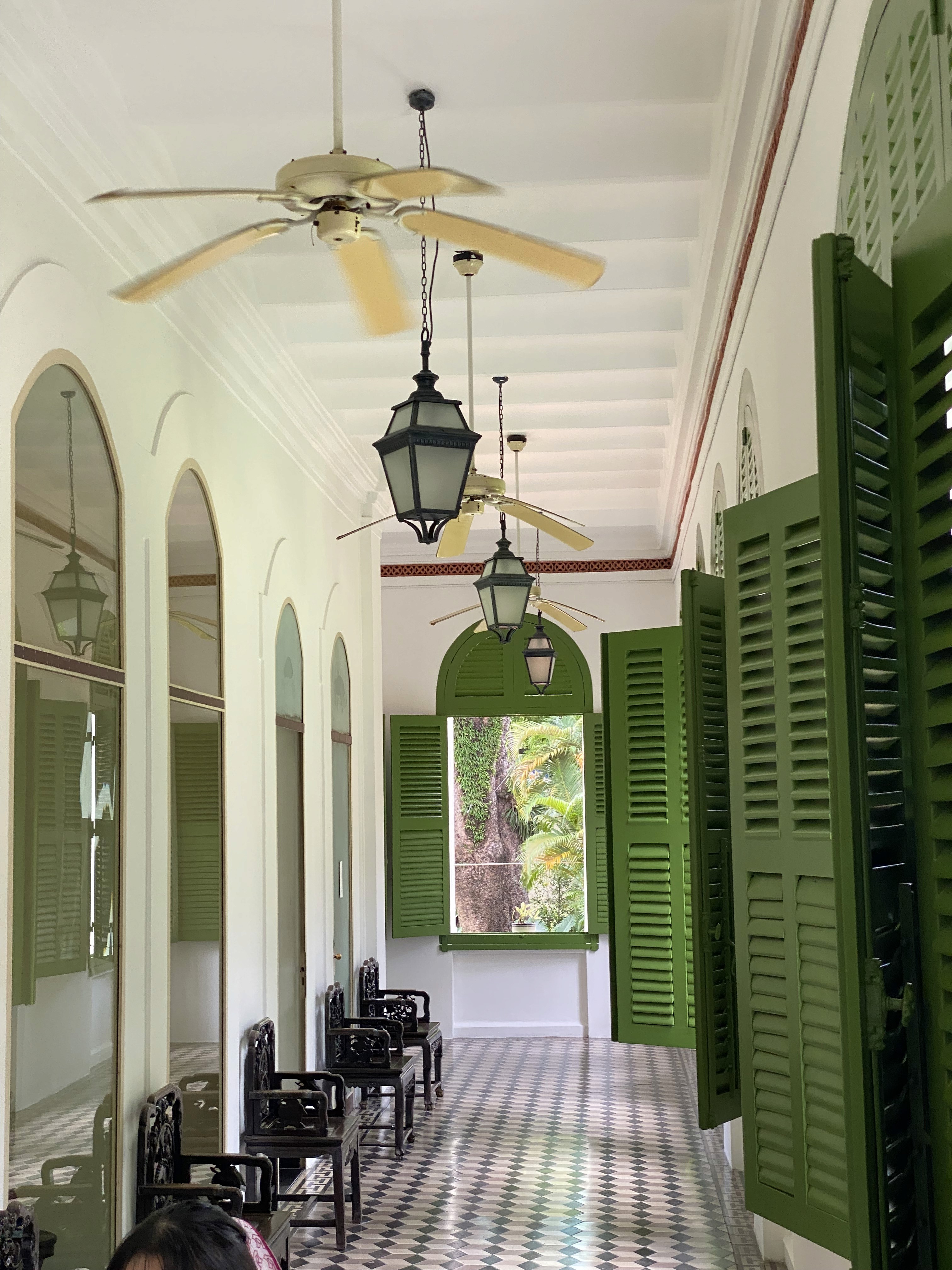
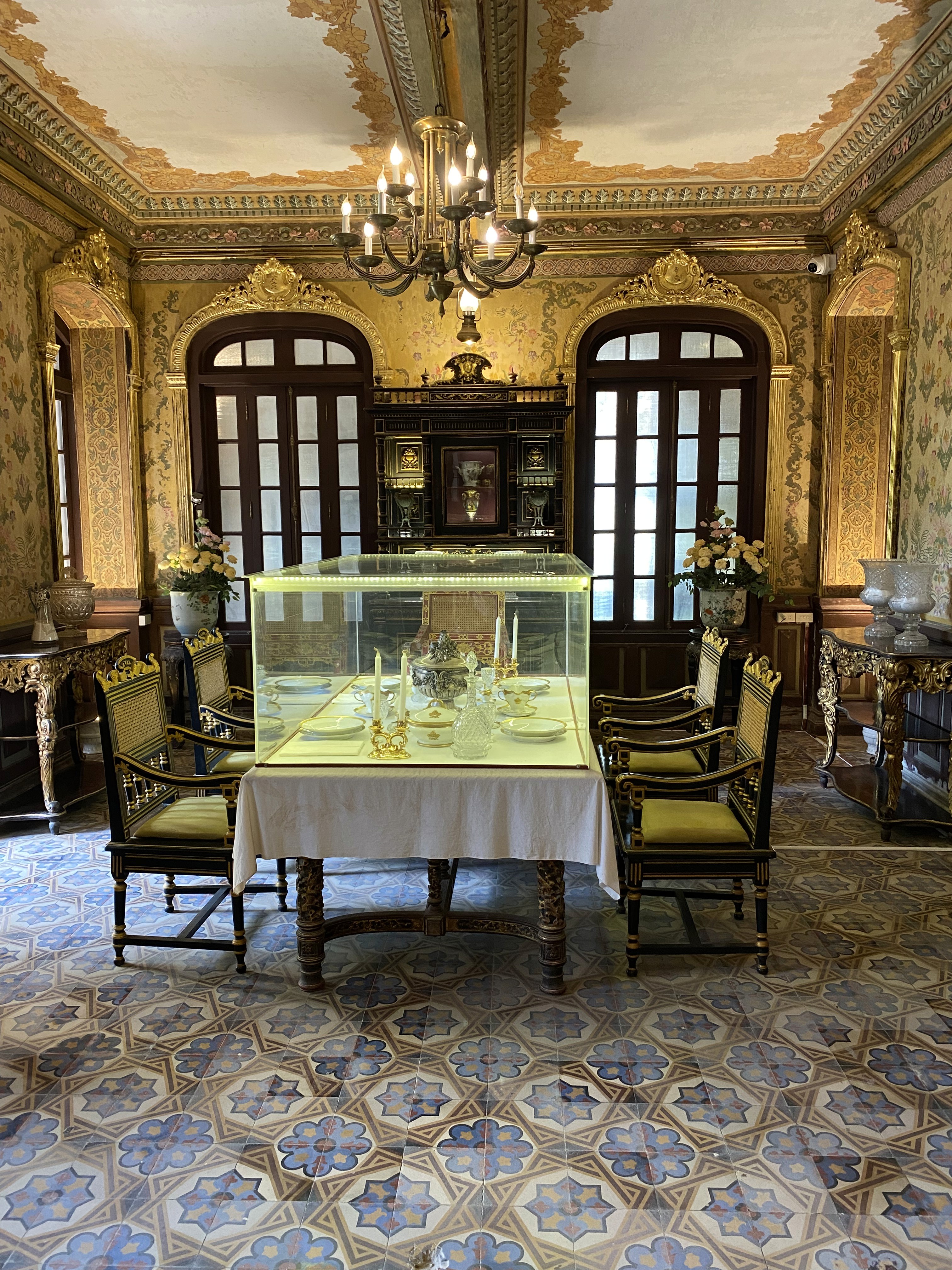
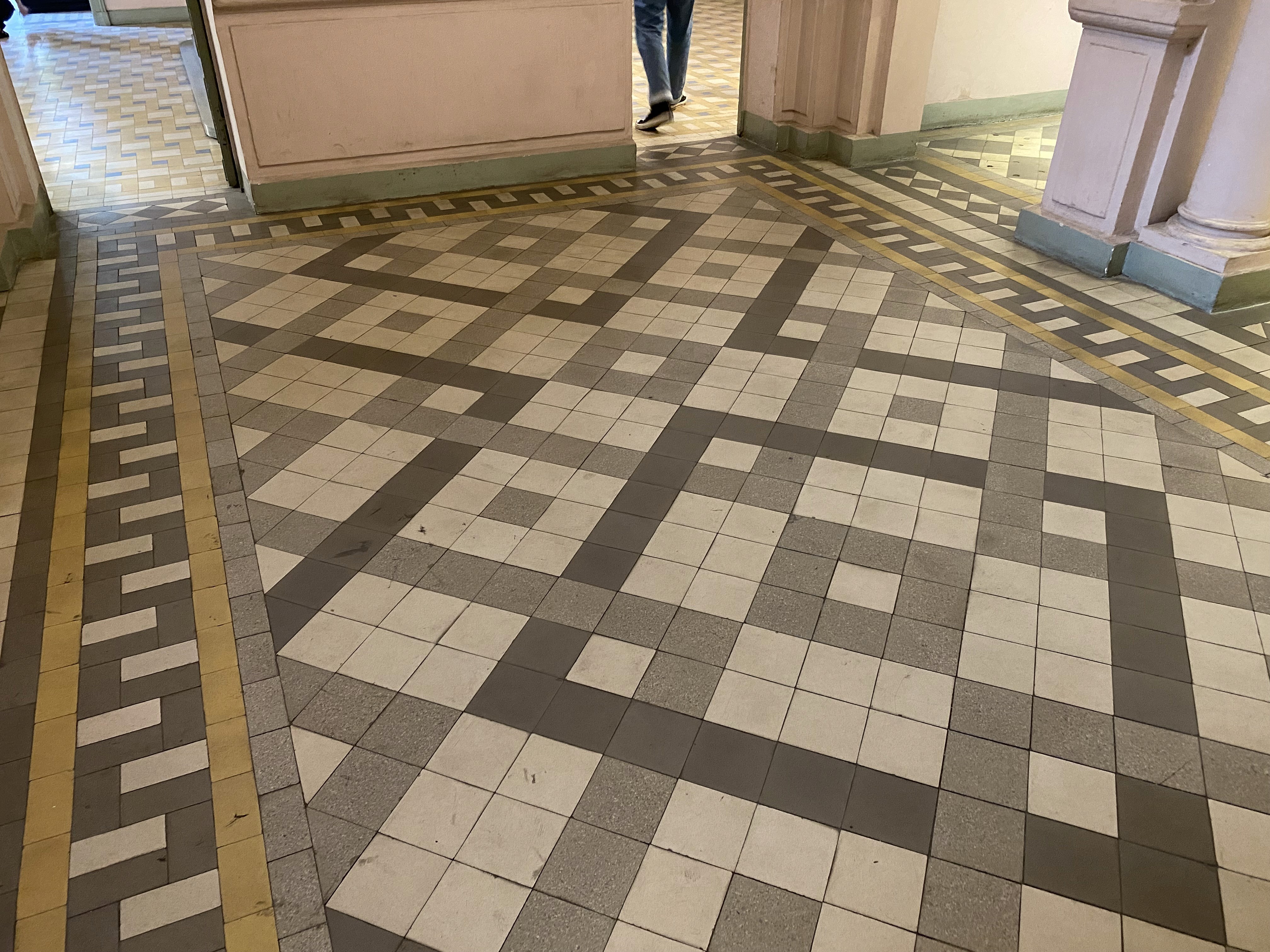
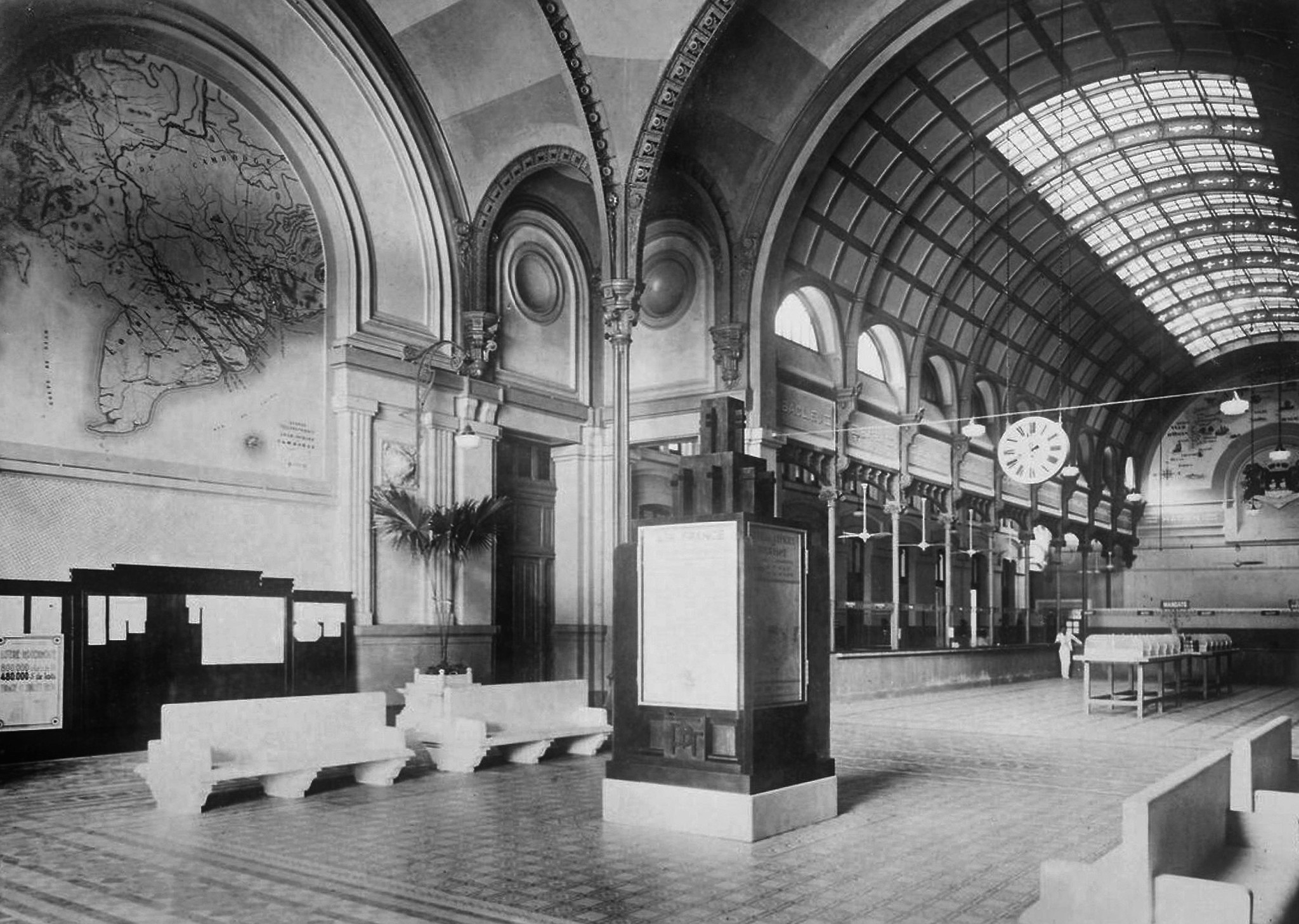
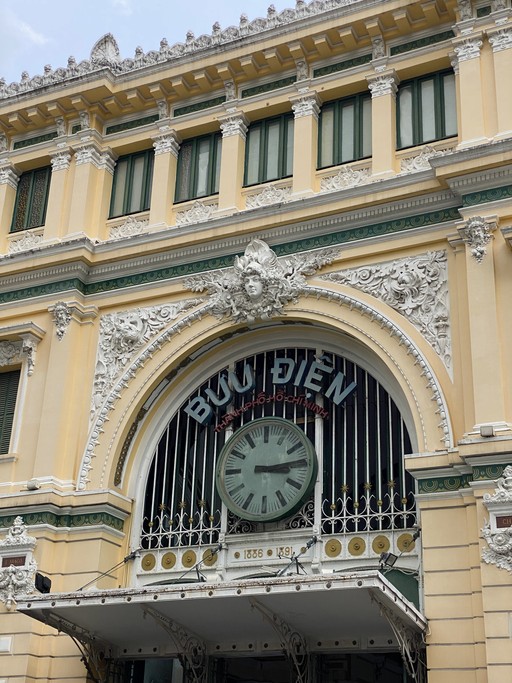
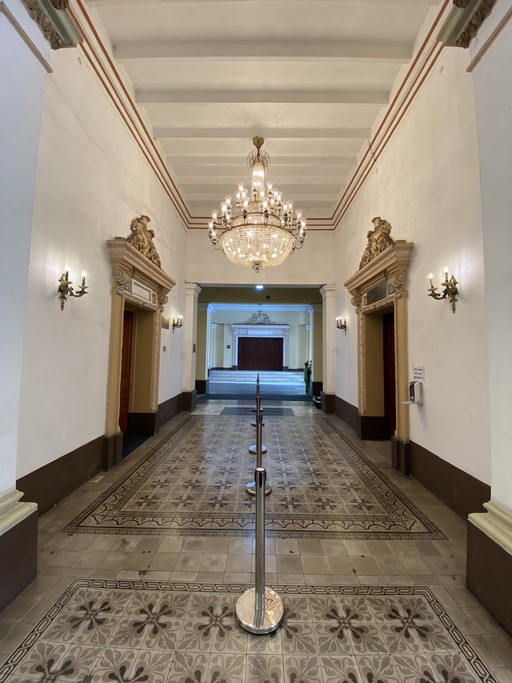
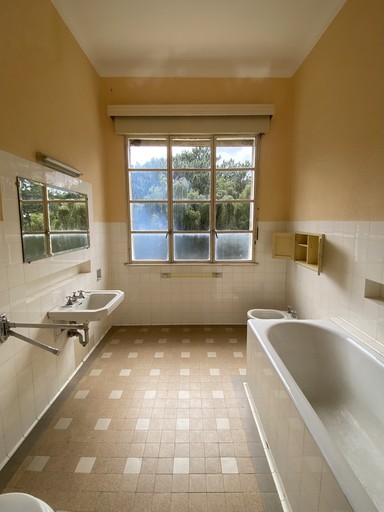
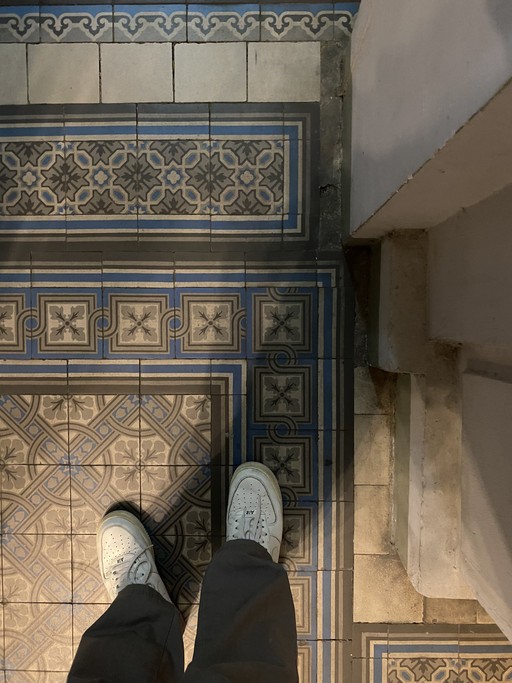
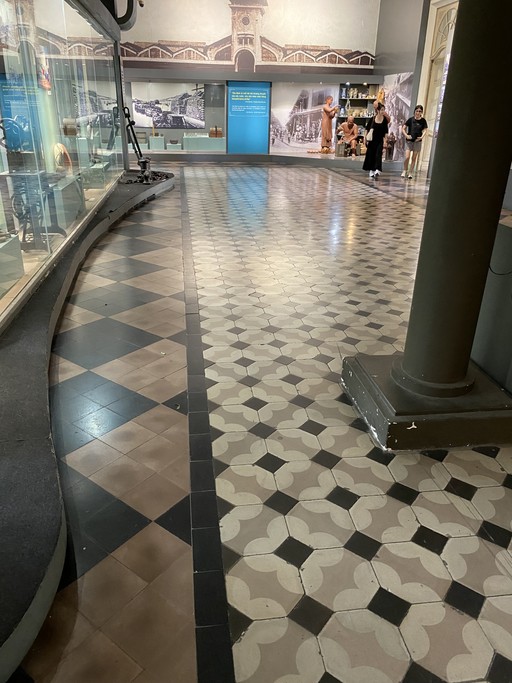
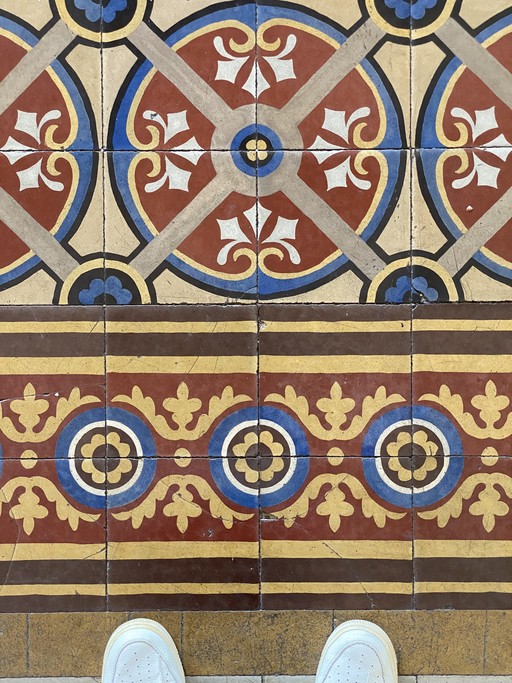
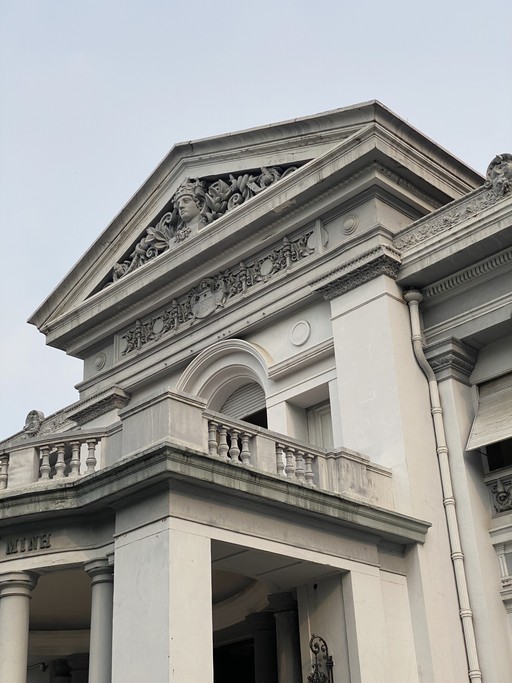
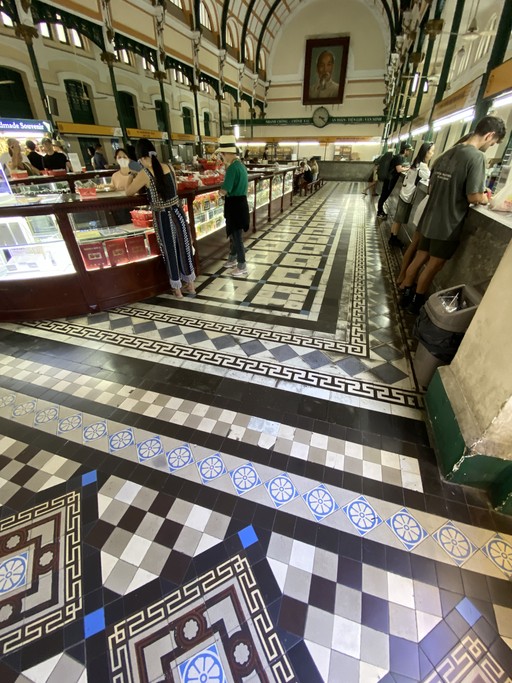
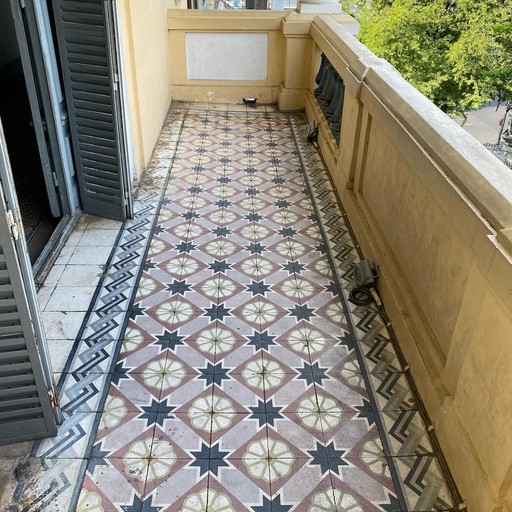
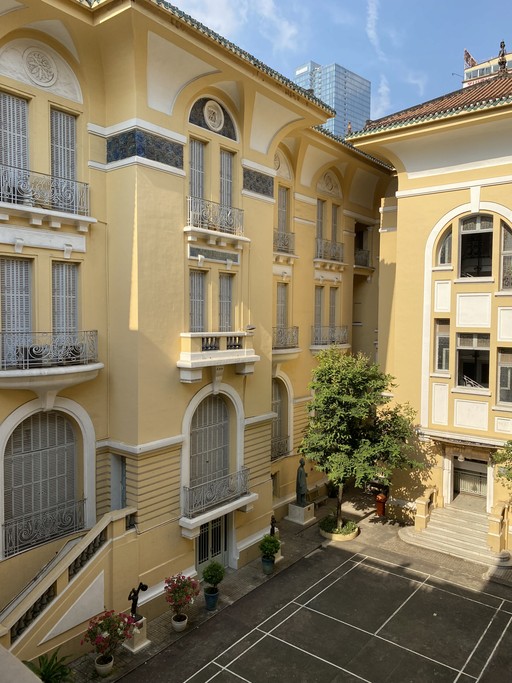
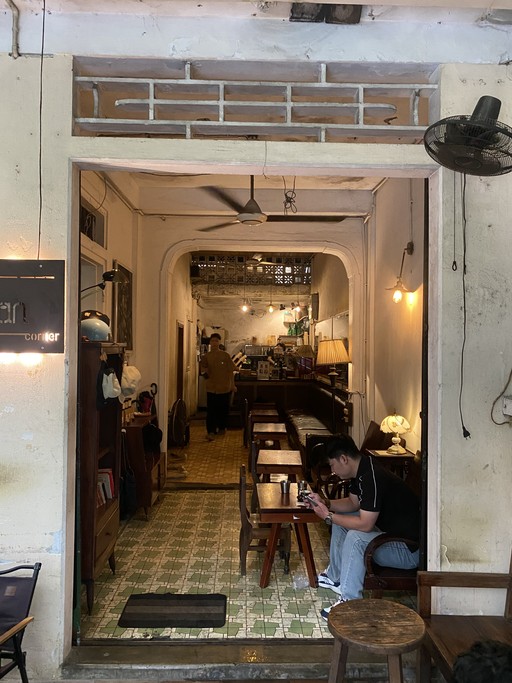
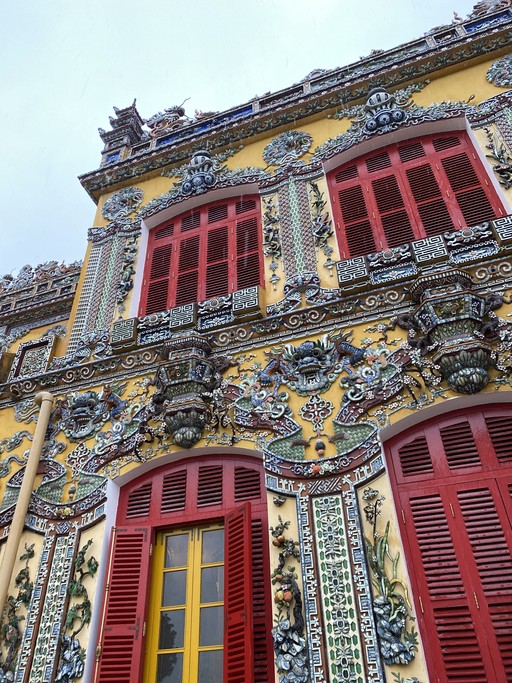
Archive images from colonial buildings, villas, palaces, etc. in Saigon, Mekong Delta (My Tho, Can Tho, Bac Lieu, Vinh Long, and Ben Tre), and Hue.
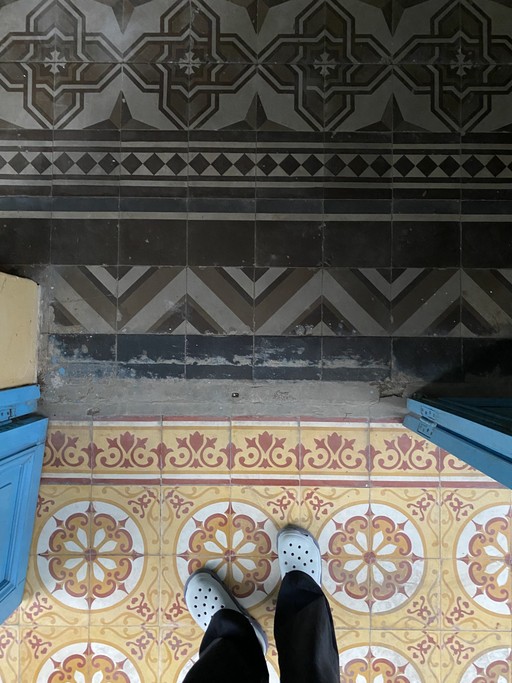
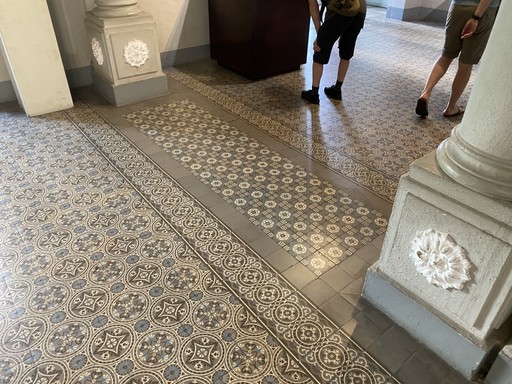
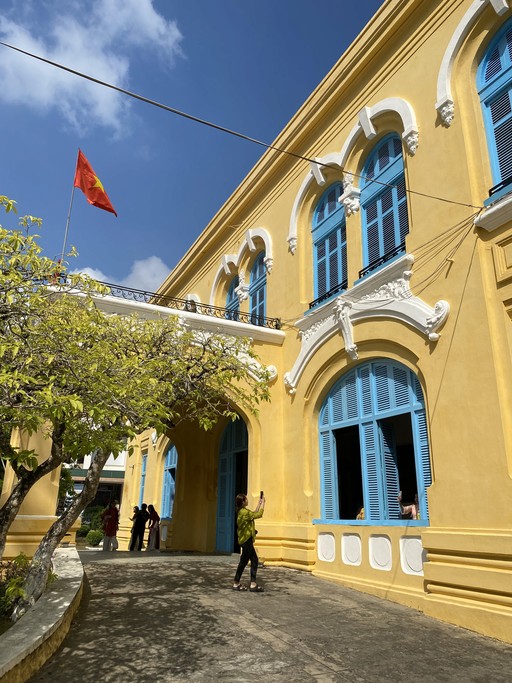
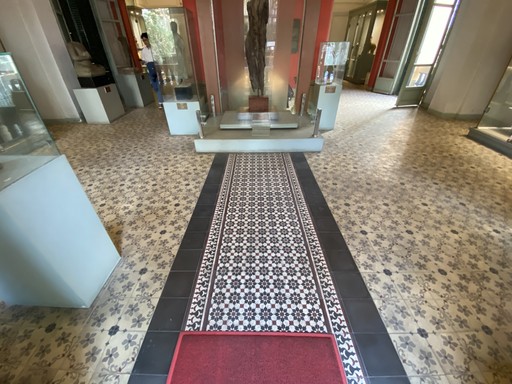
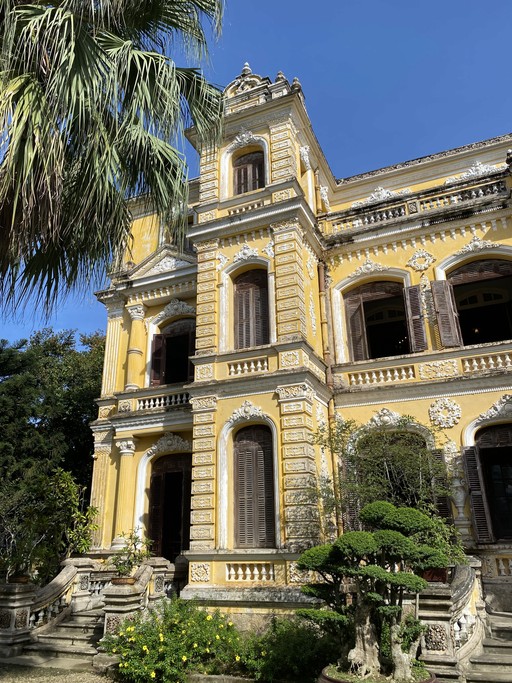
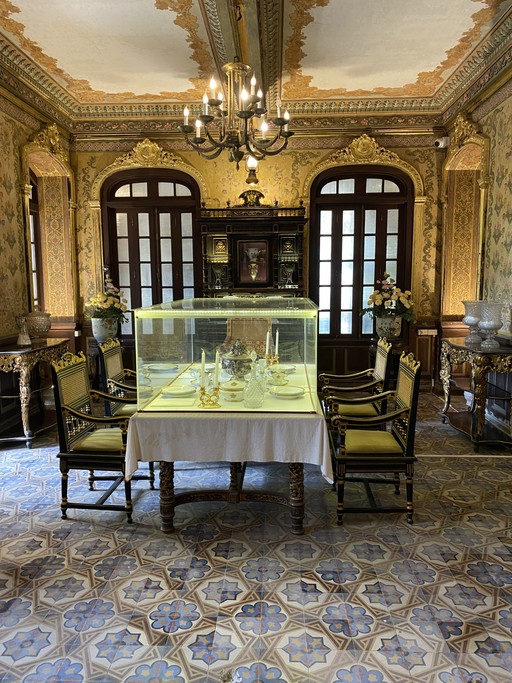
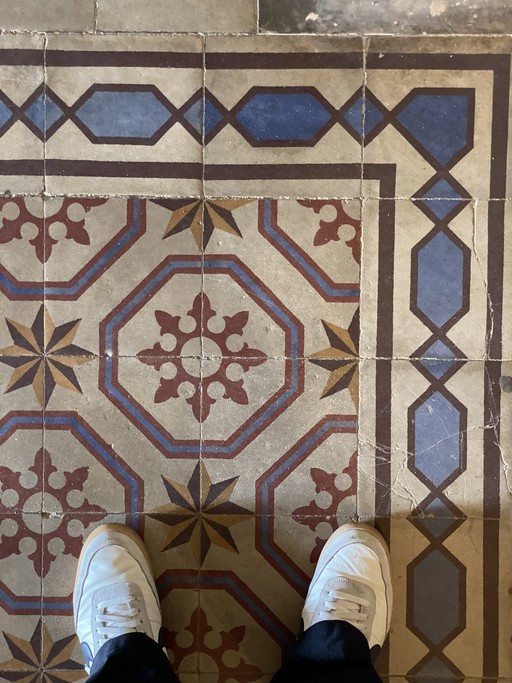
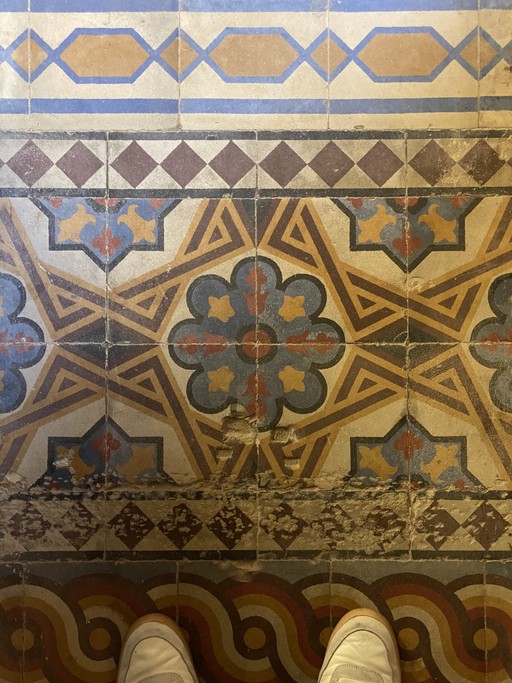
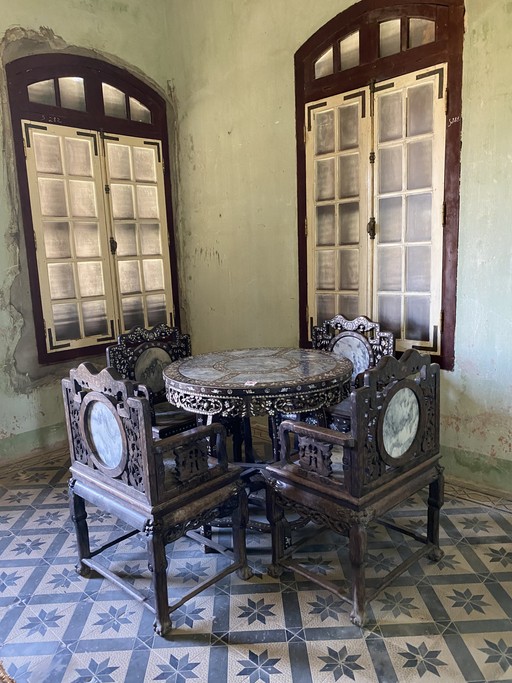
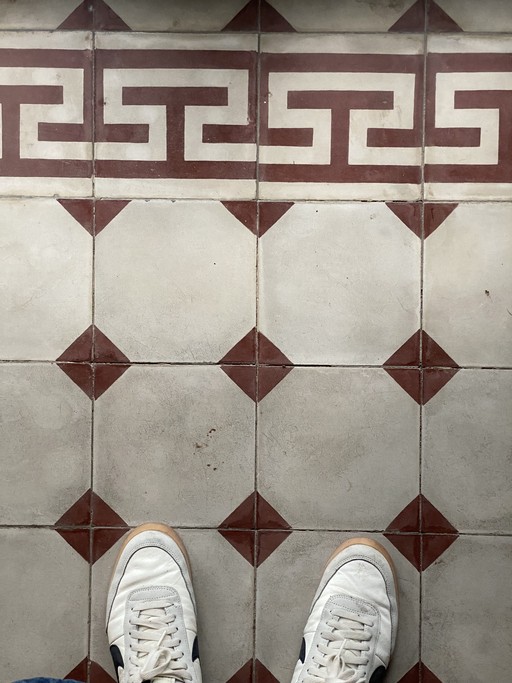
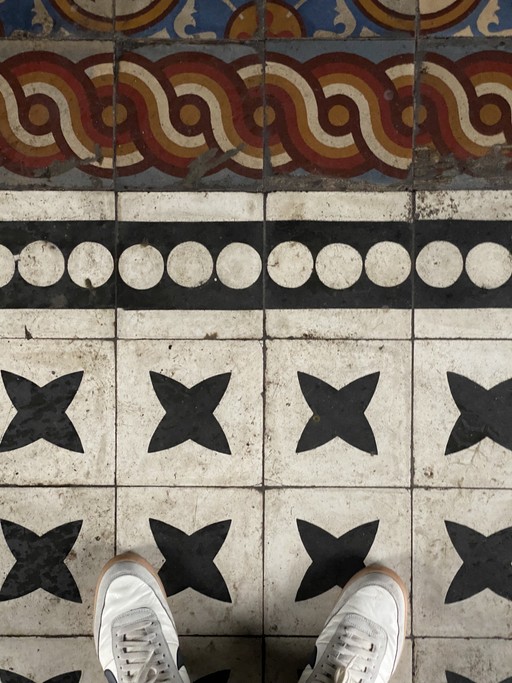
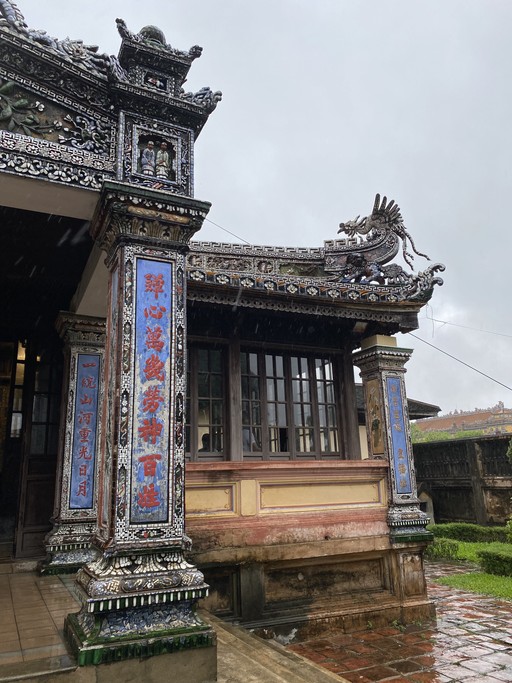
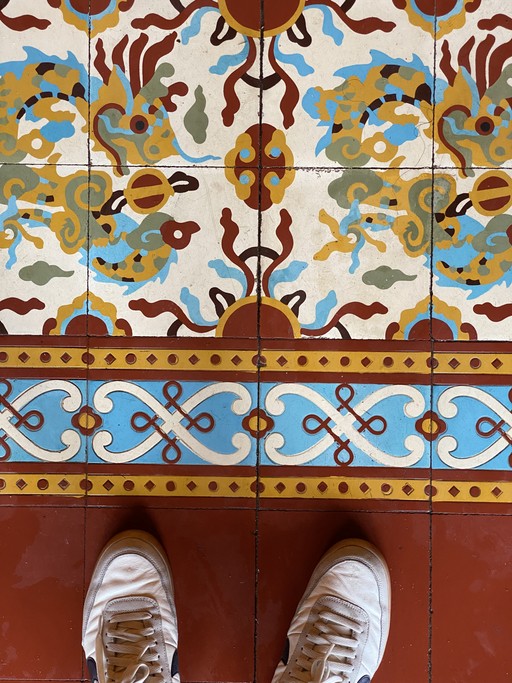
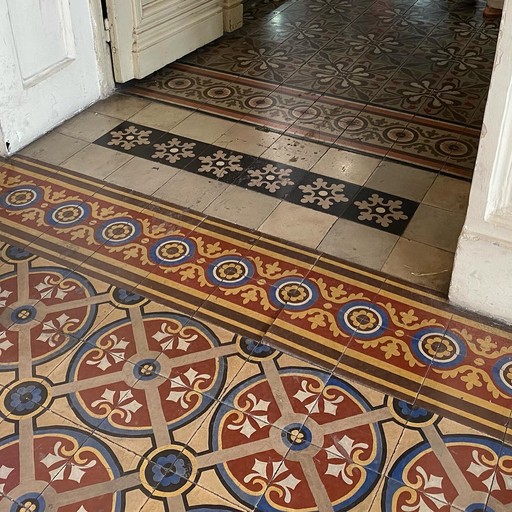
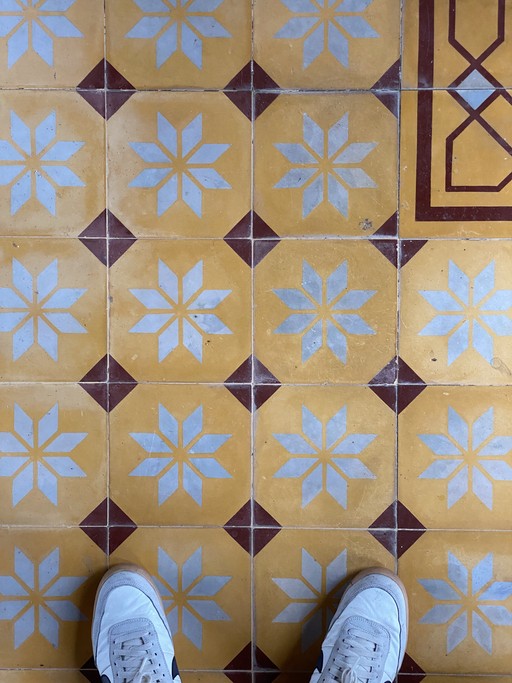
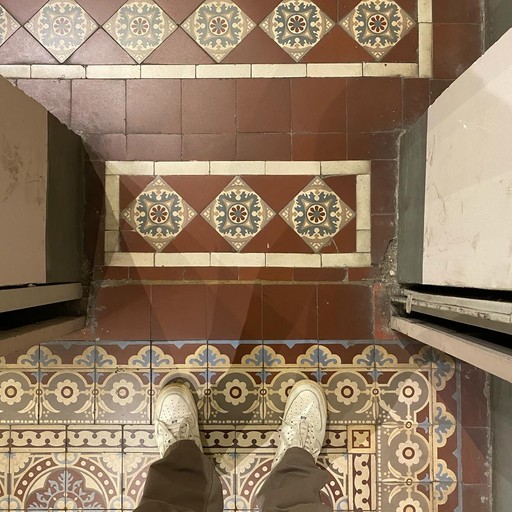
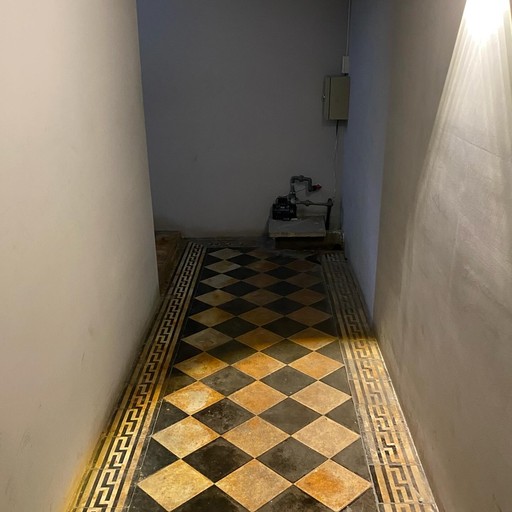
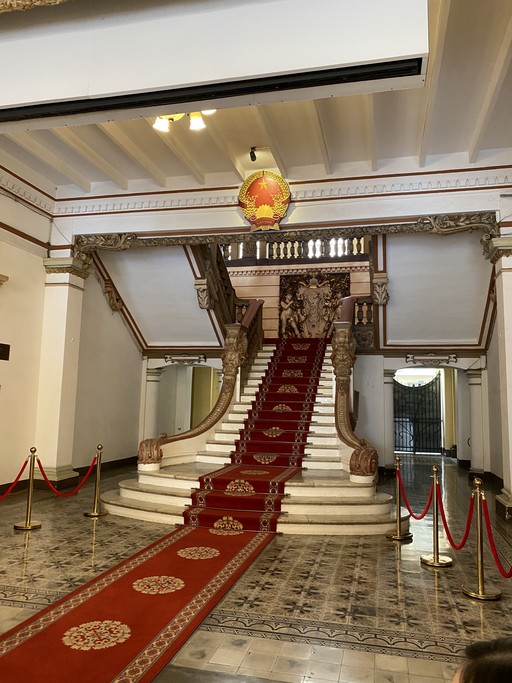
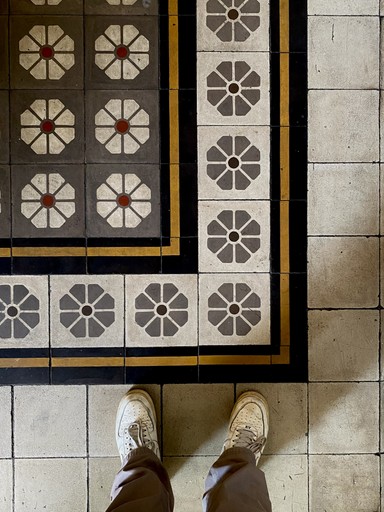
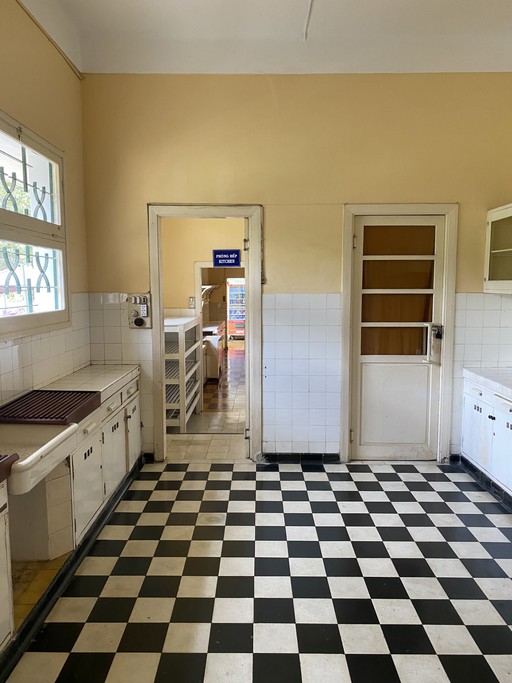
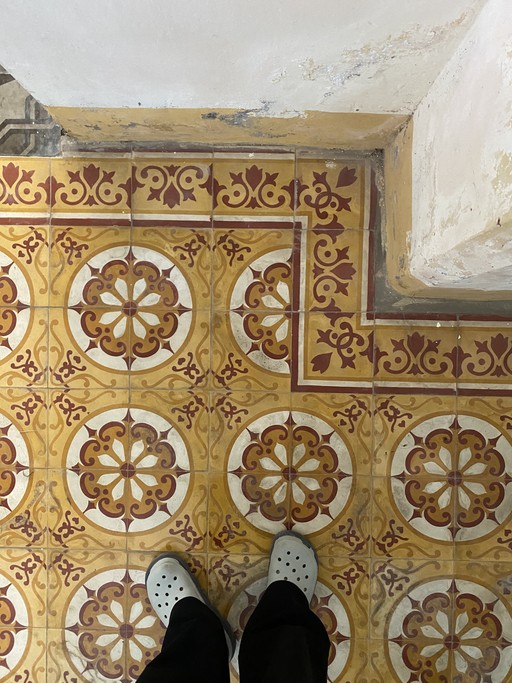
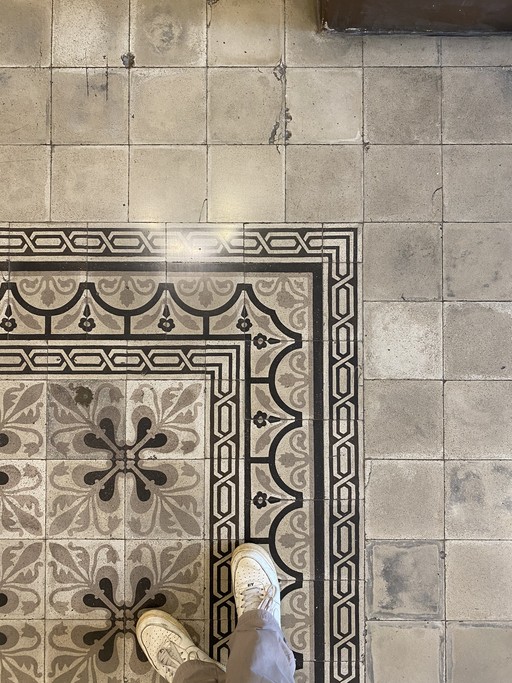
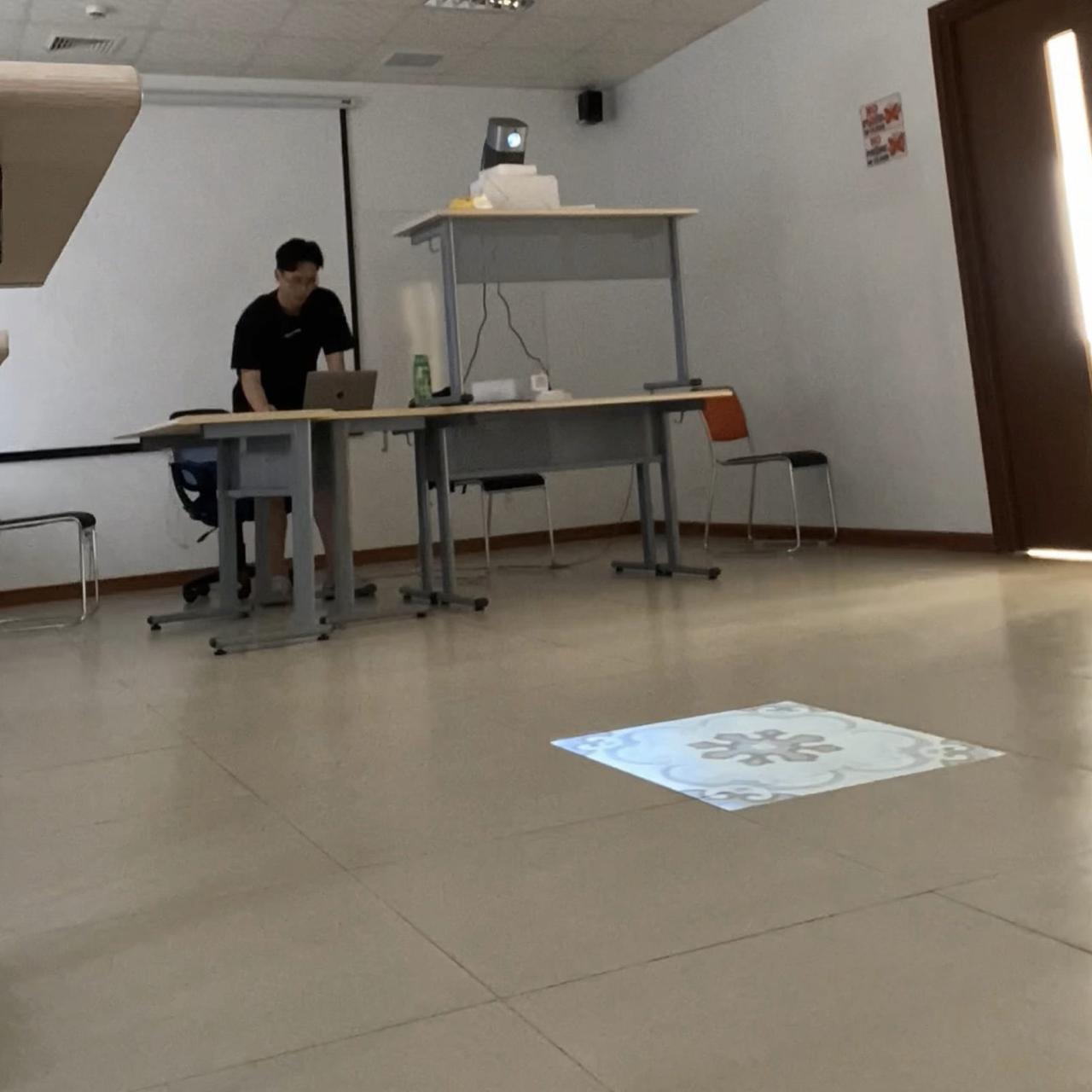
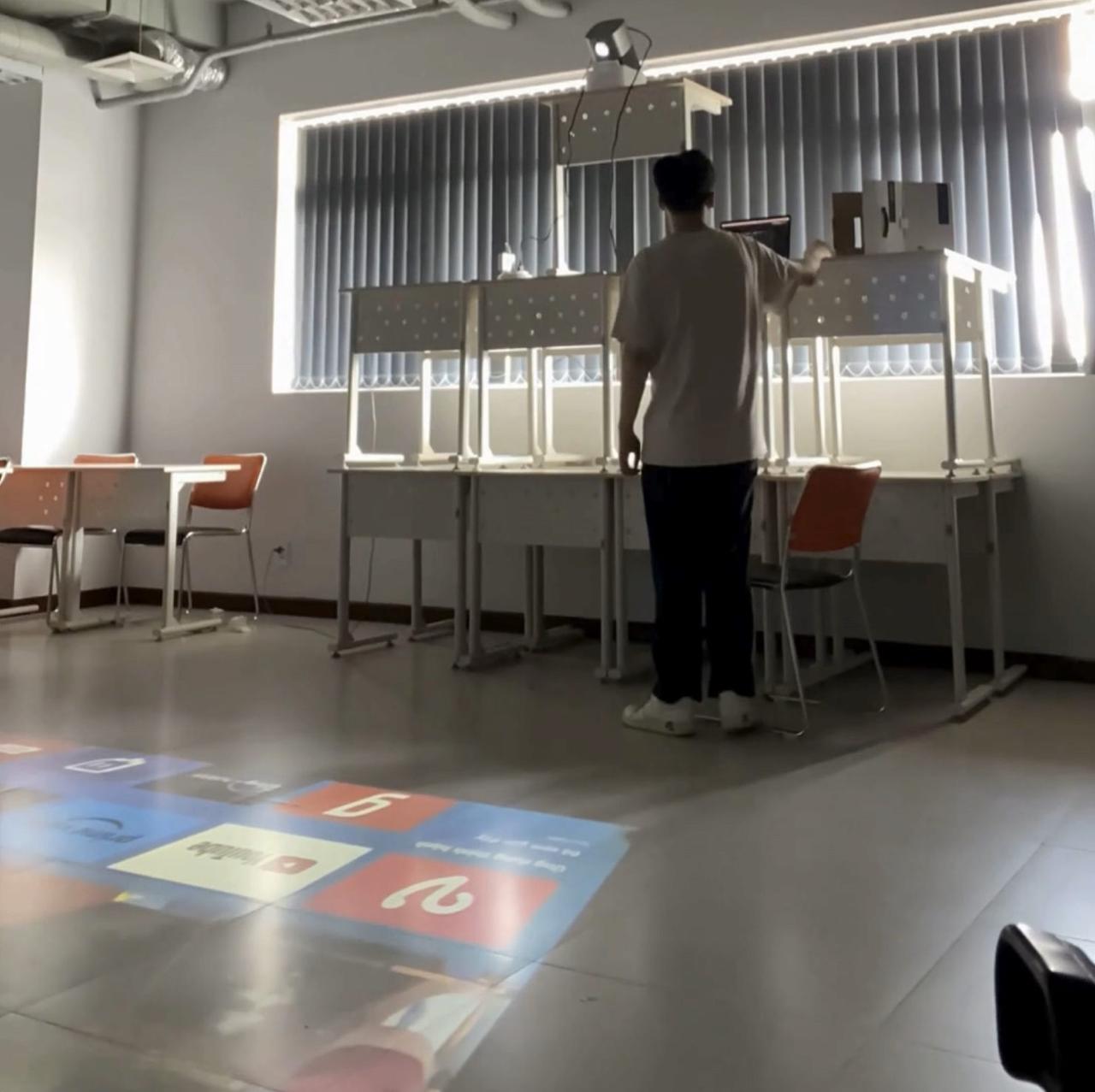
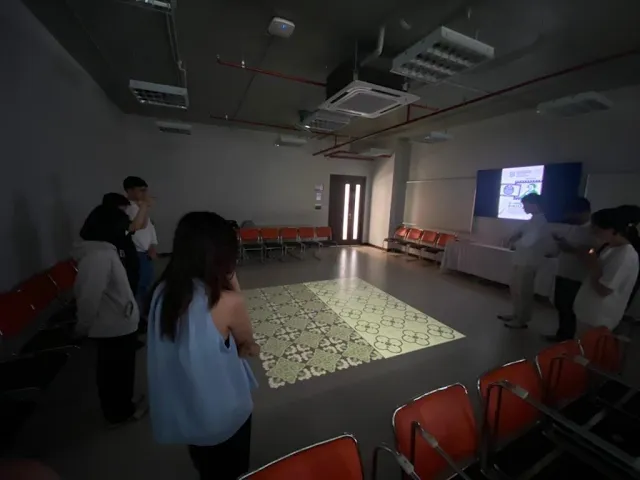
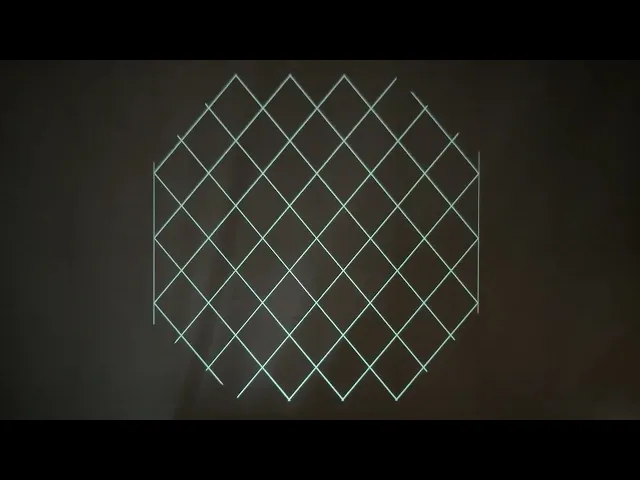
Projection mapping technique is utilised to reconstruct encaustic tile patterns on plain tiles as modular canvases.


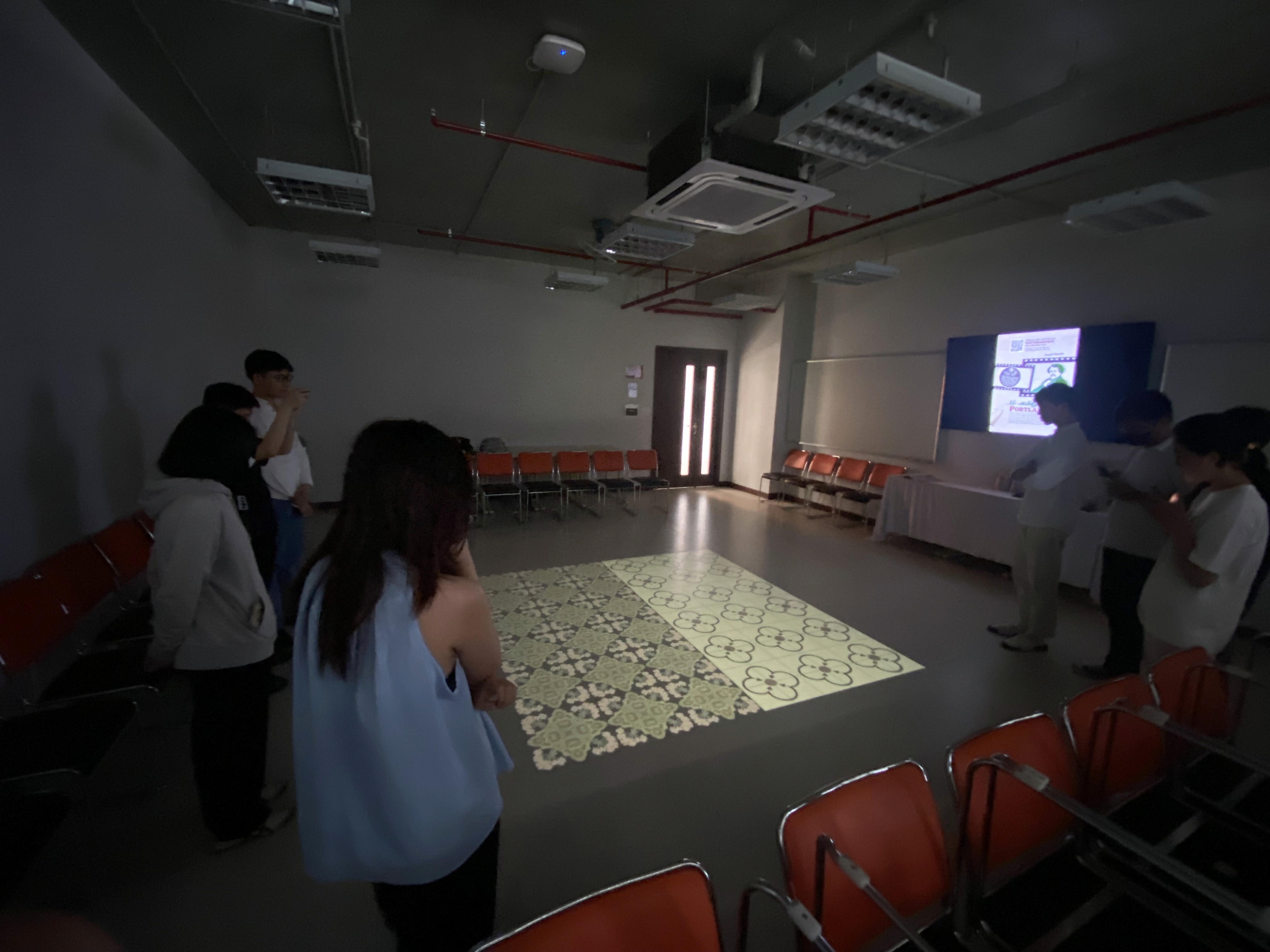
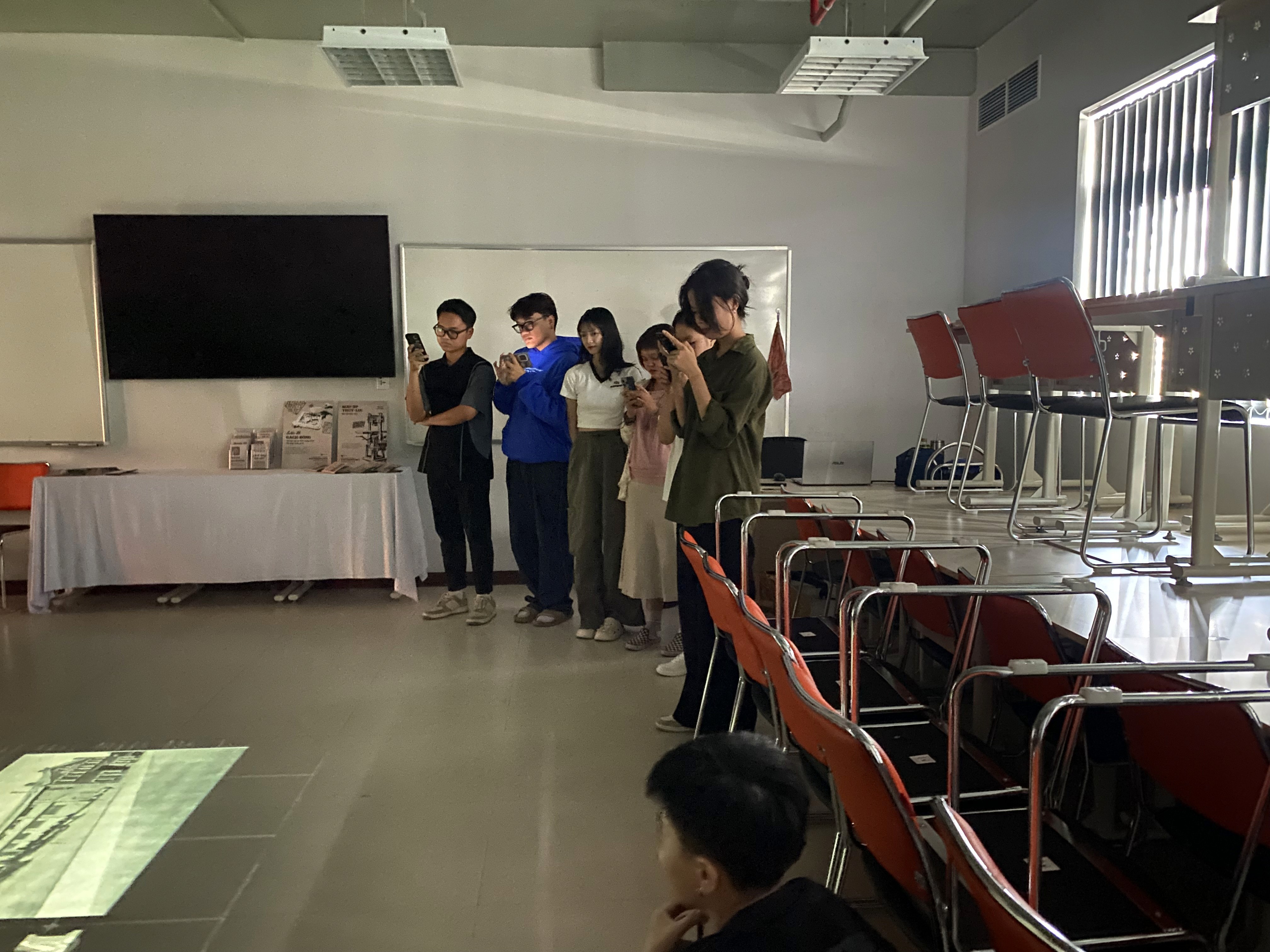
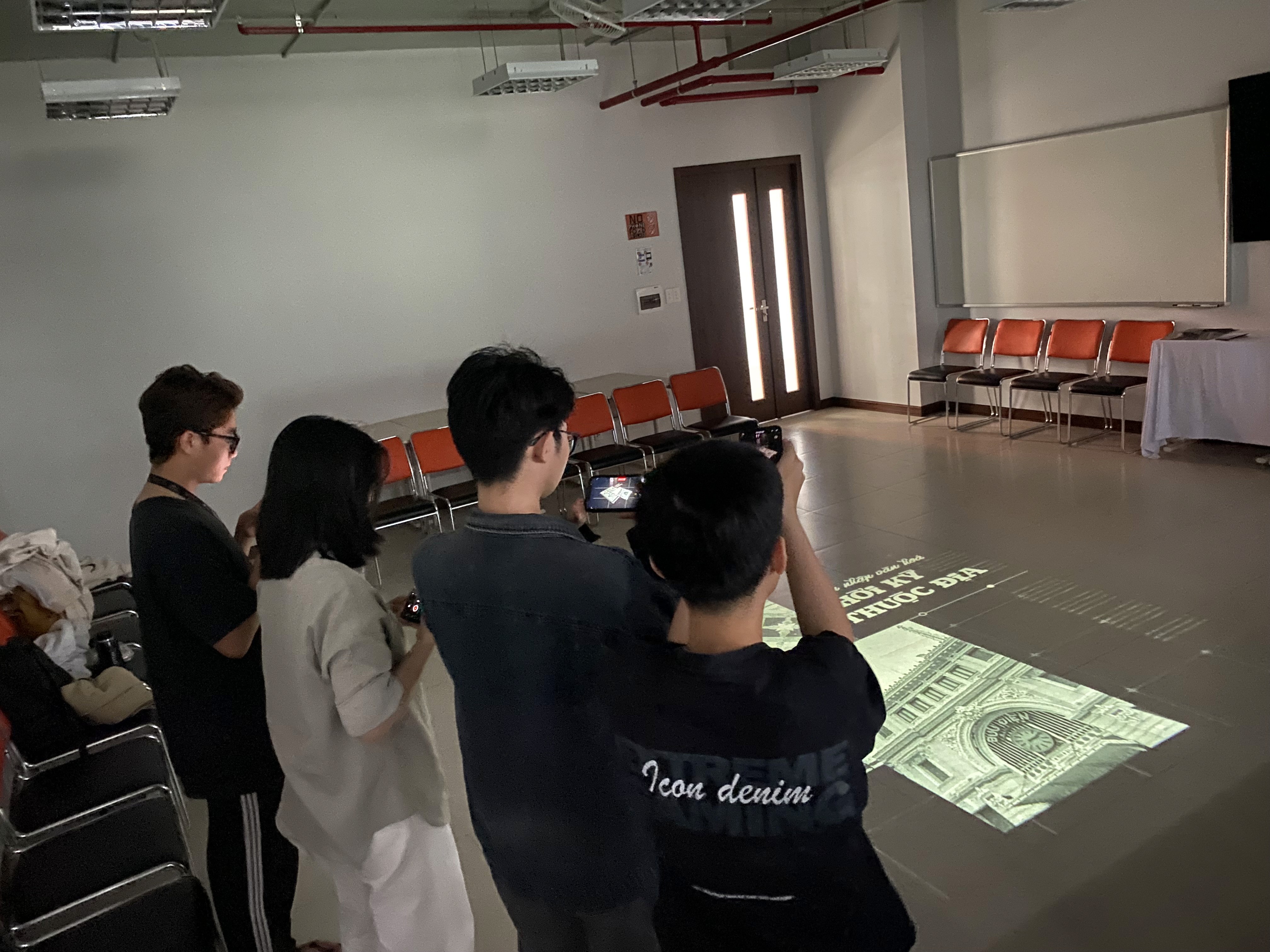
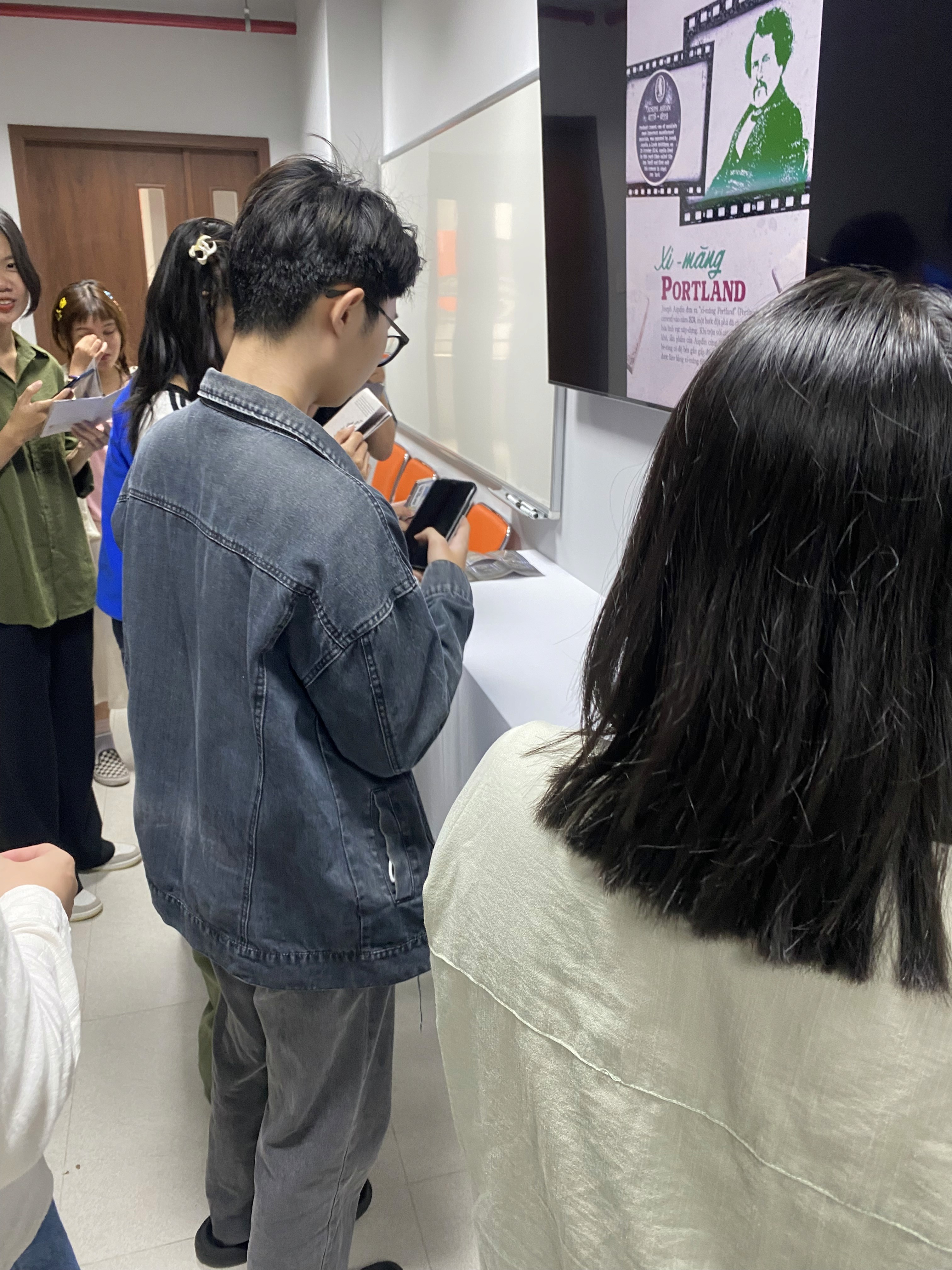
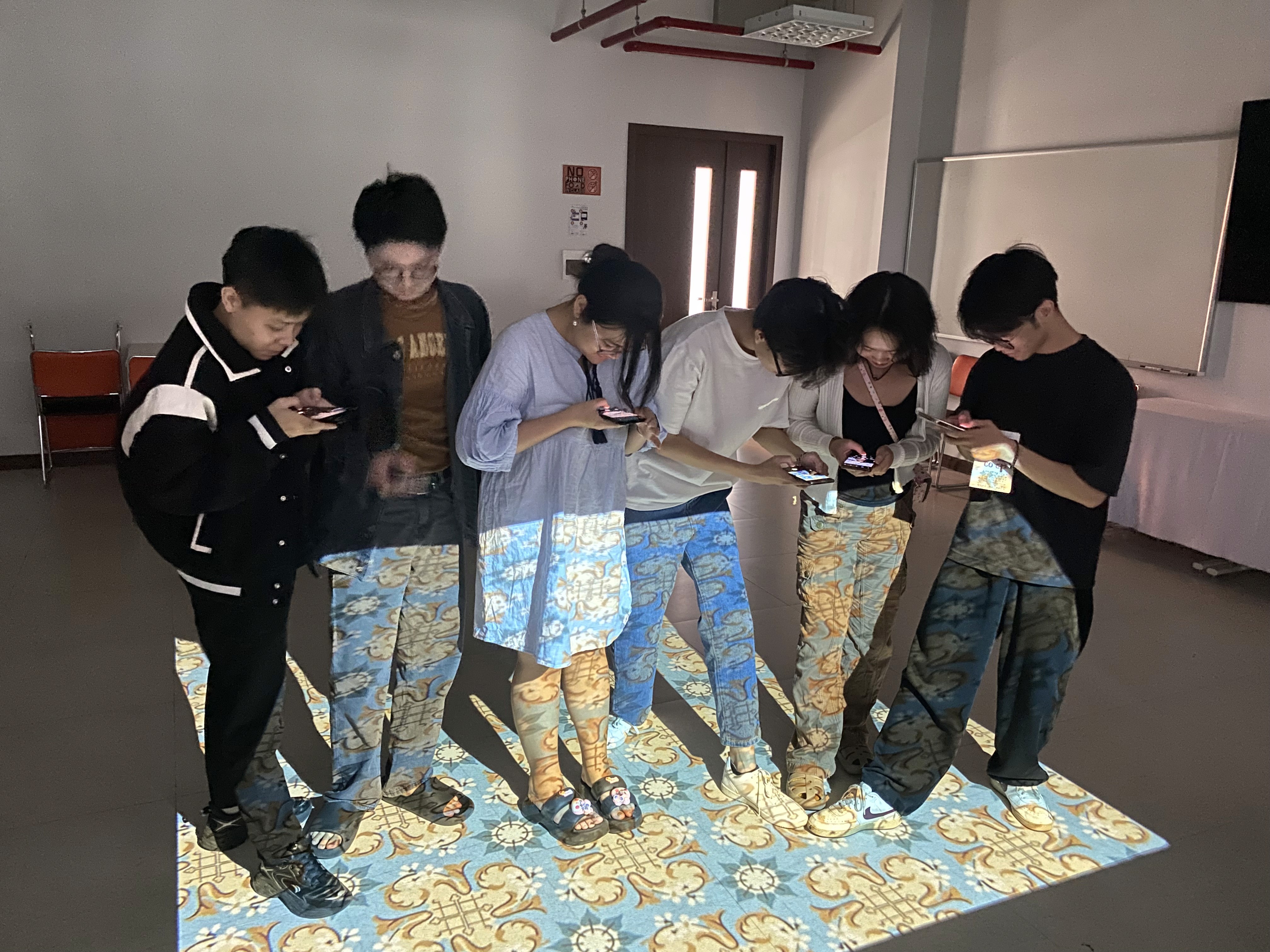
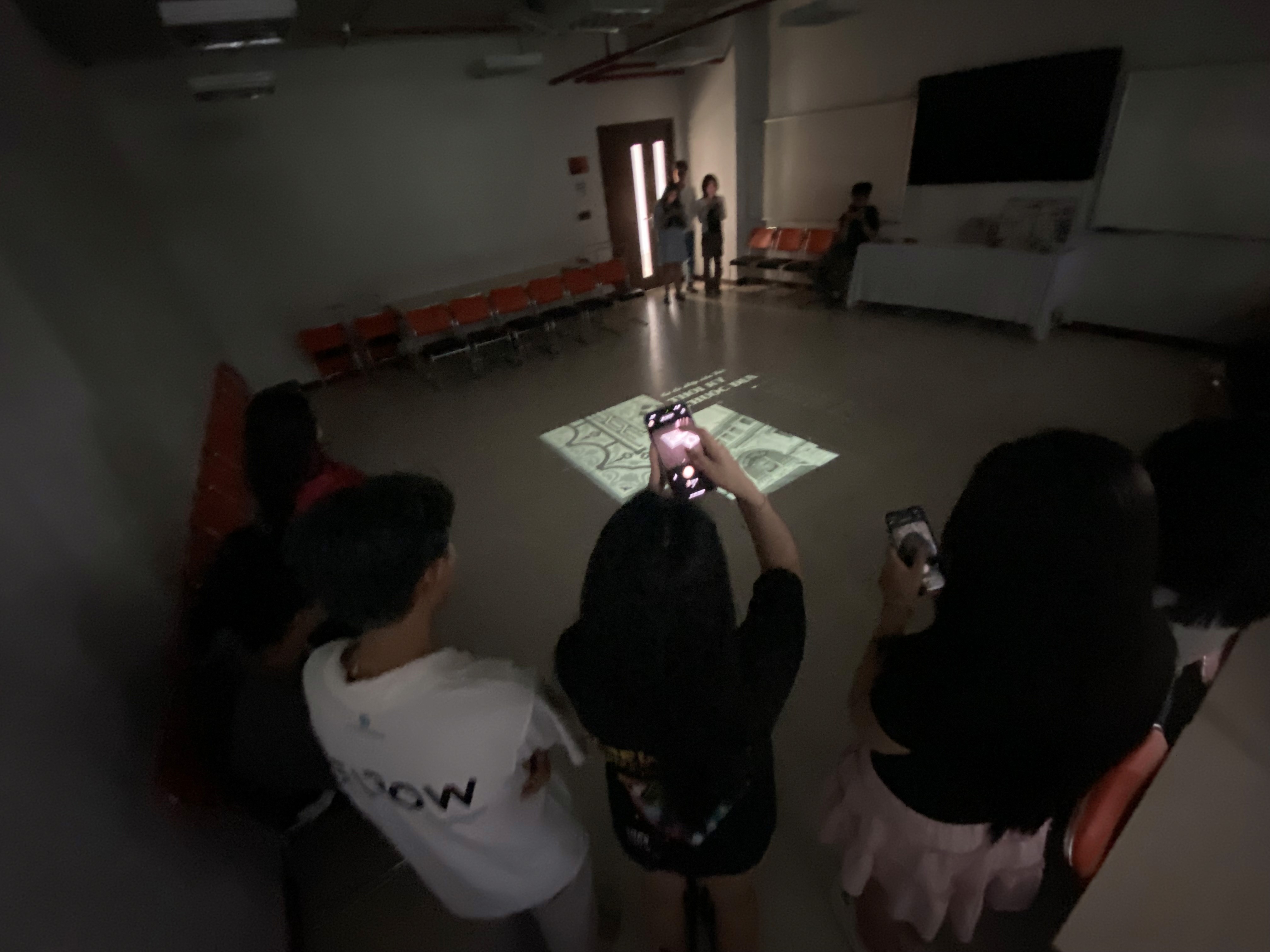
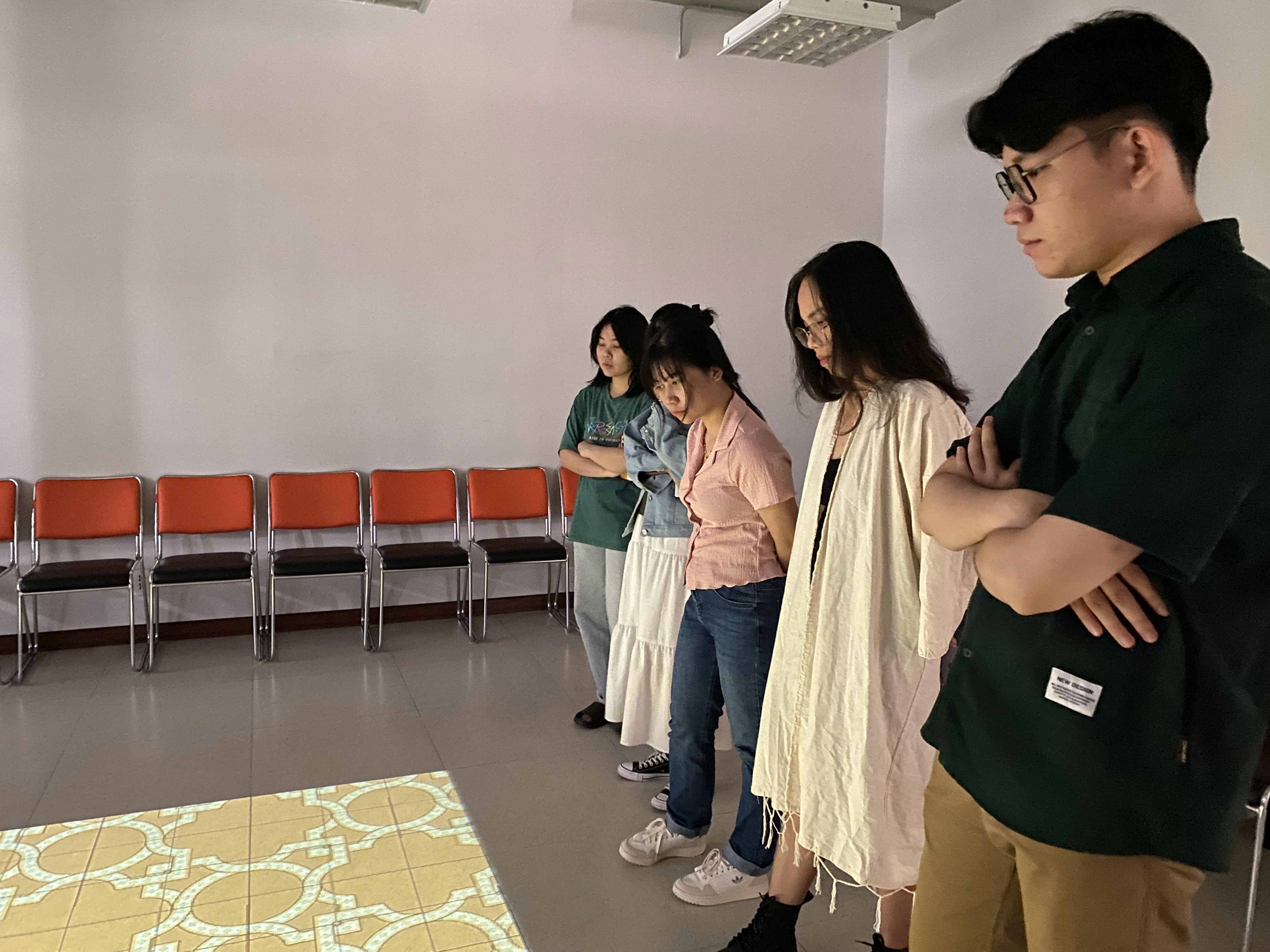
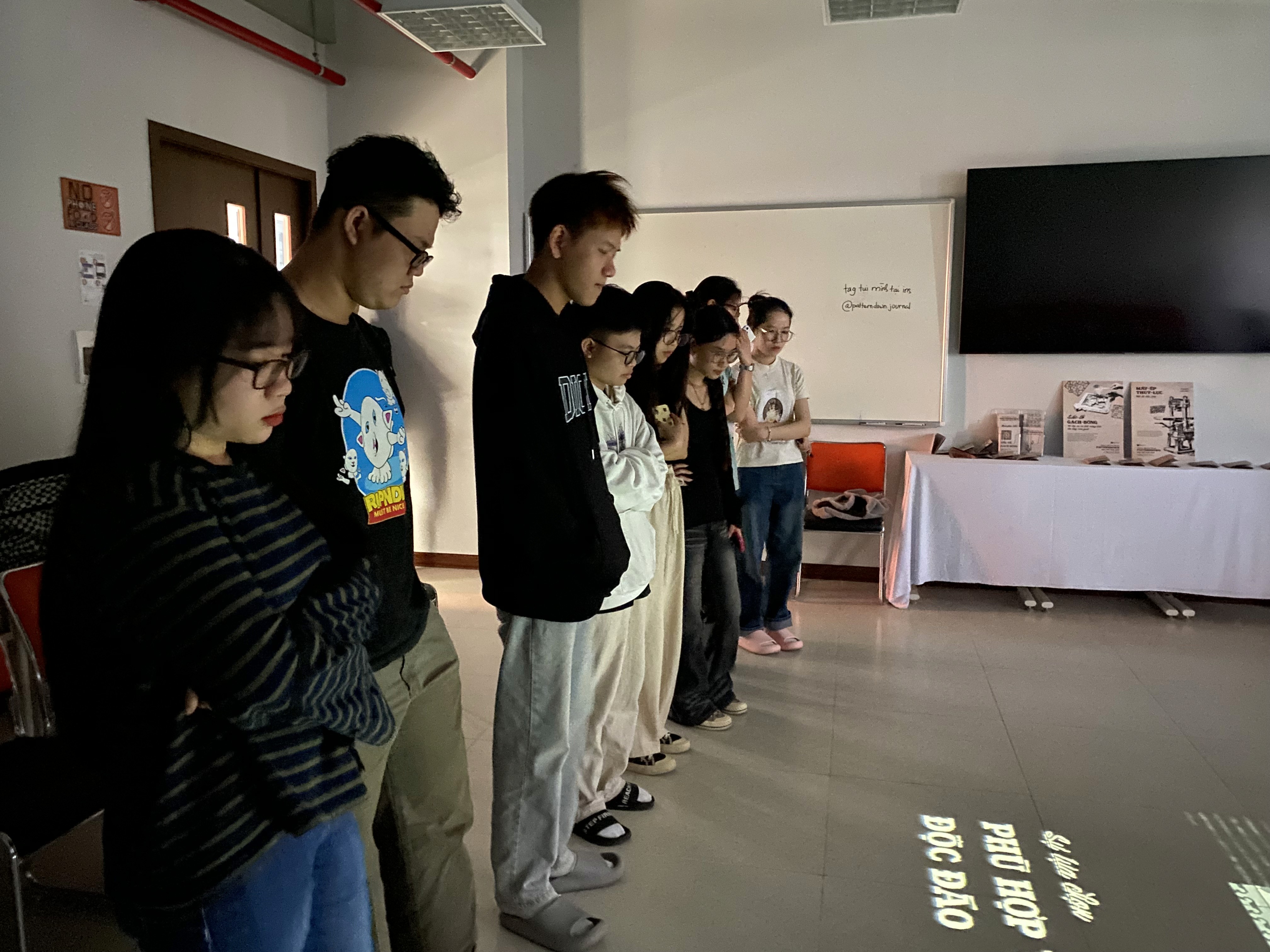
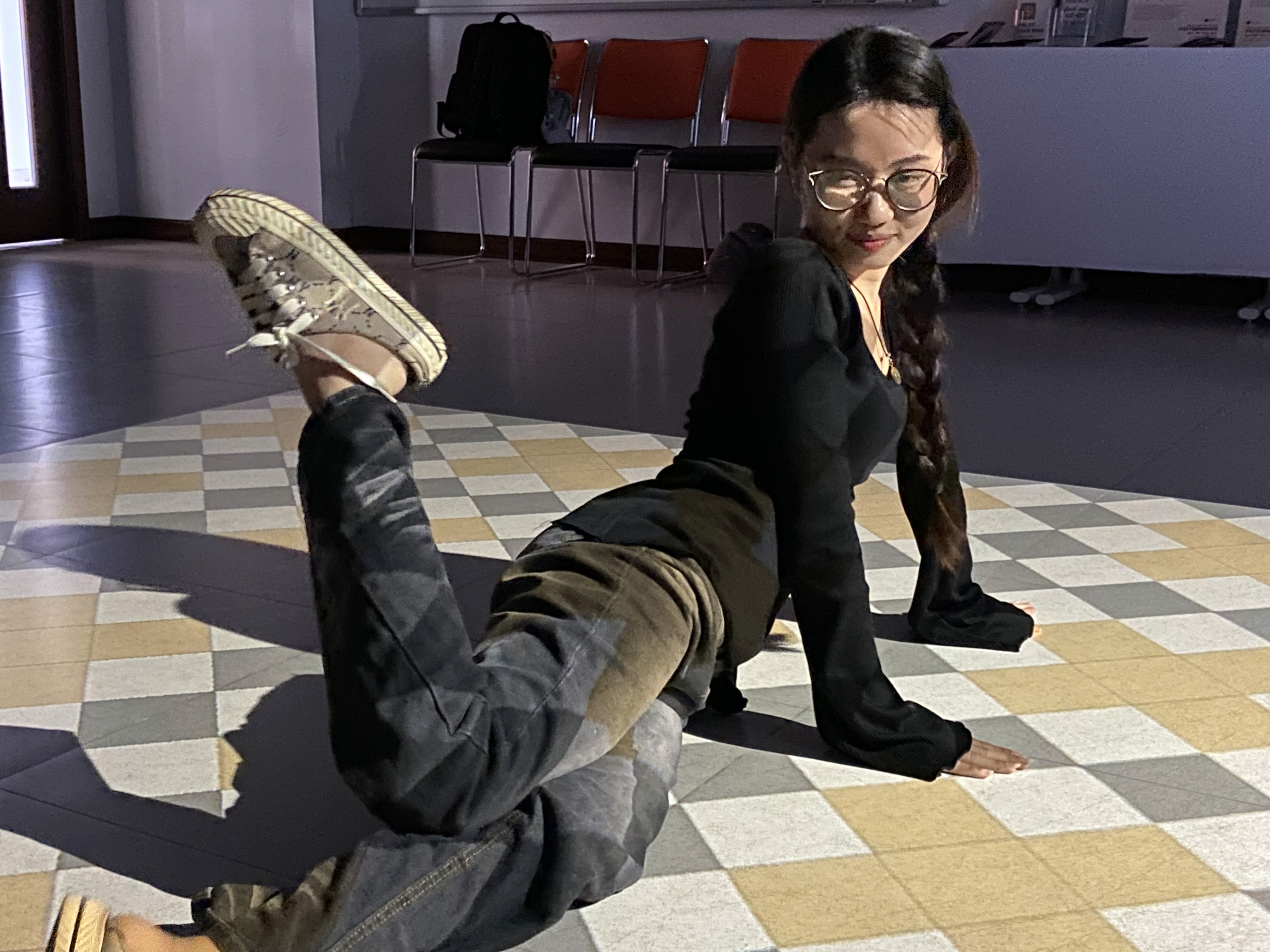
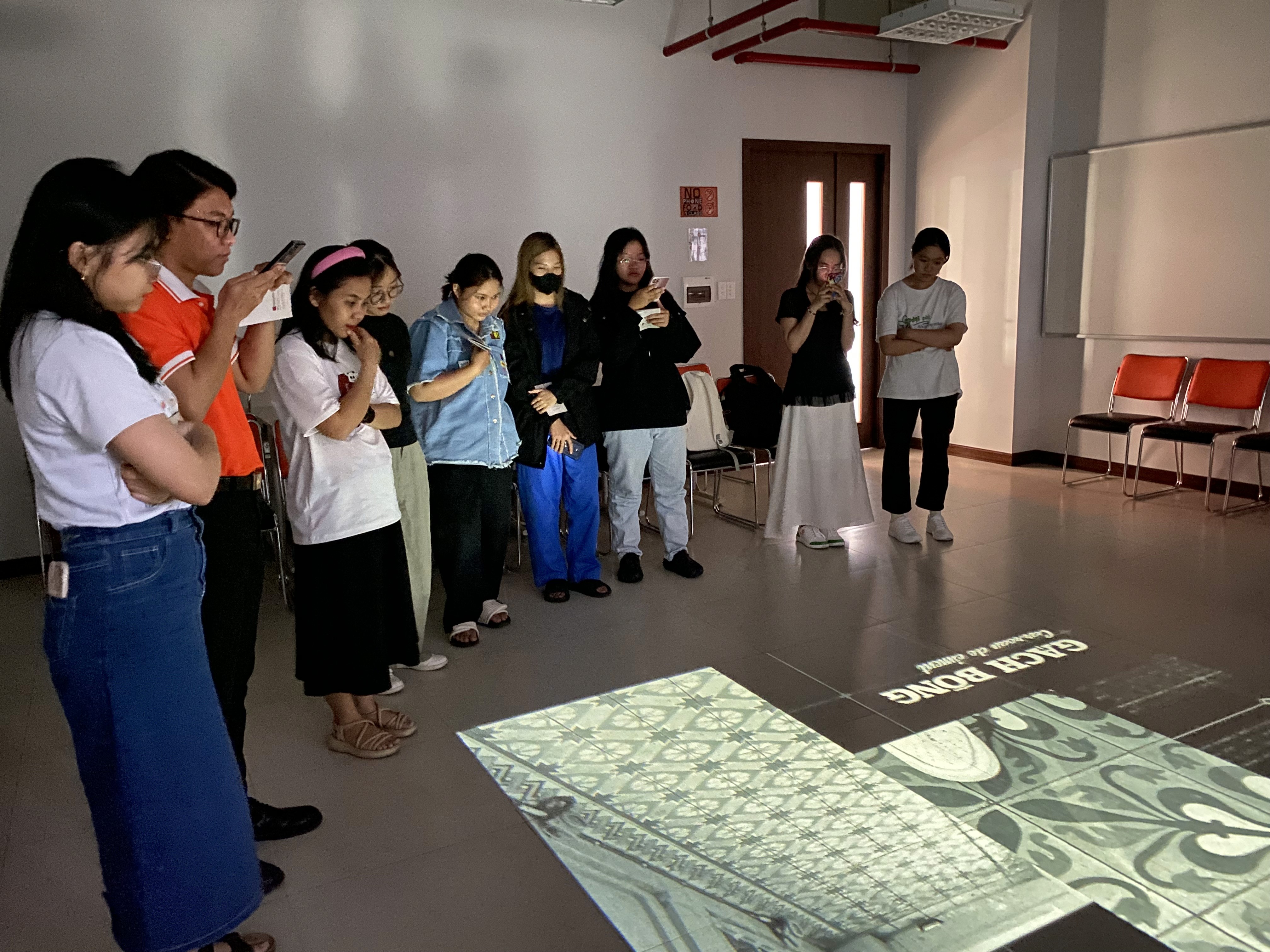
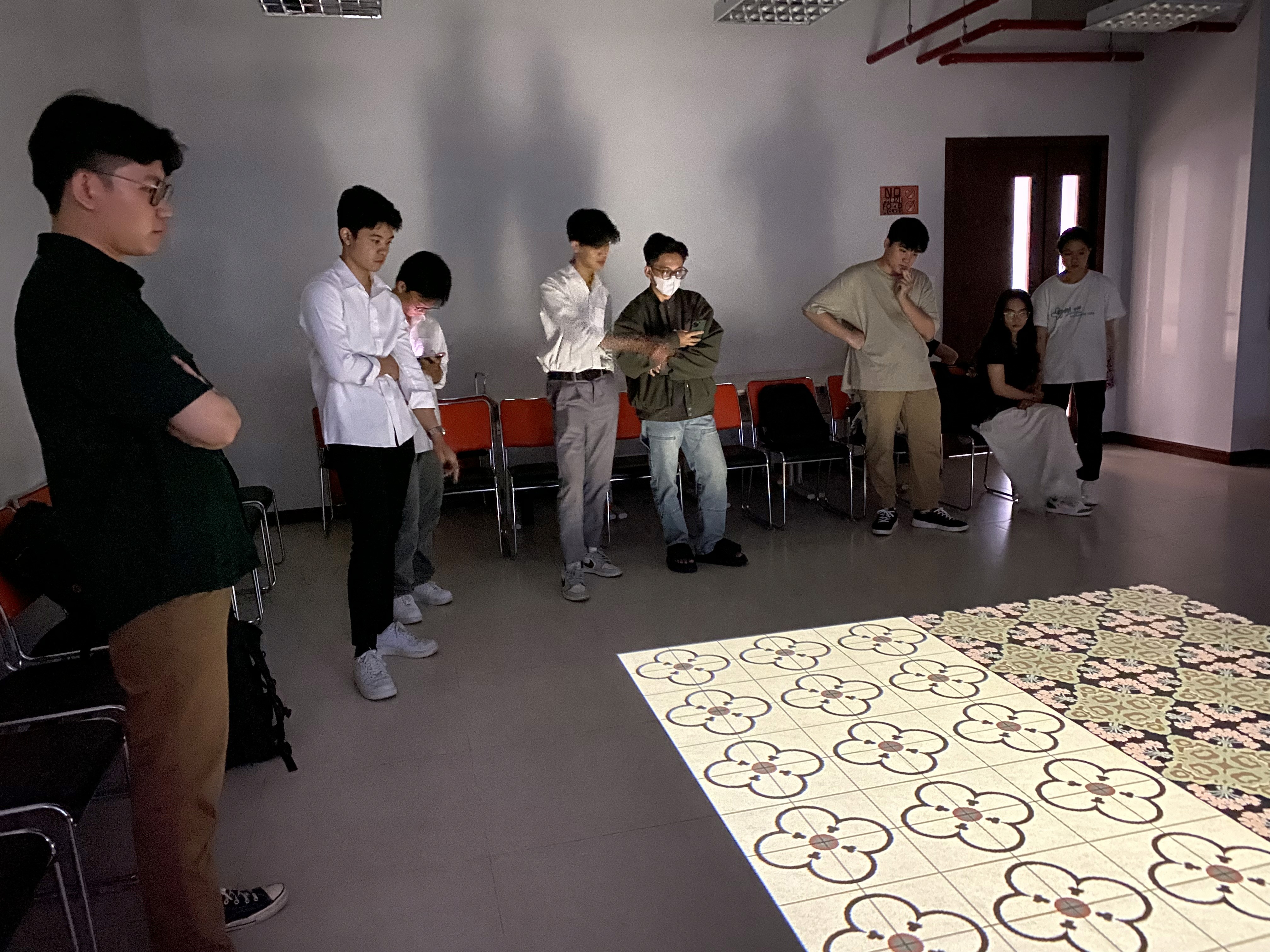
Full-recording (top view) of the mapping performance on plain tile floor.
Subtitles available in EN, KR, JP, TC, SC.
Patterndown's
Side project
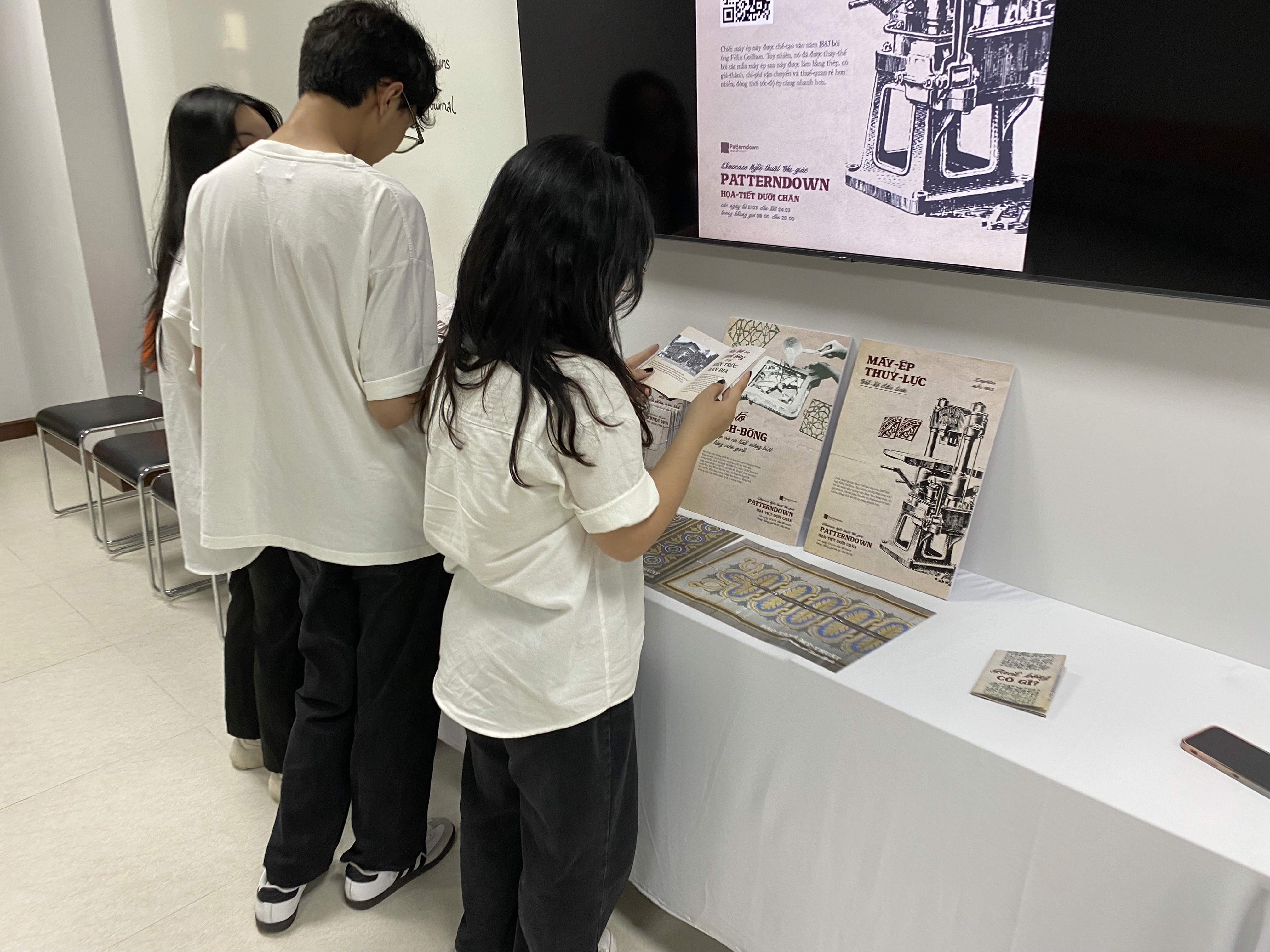
Besides the projection mapping showcase, our project also develops side initiatives dedicated to documenting and sharing knowledge about Gạch Bông.